Black Digger Wasp
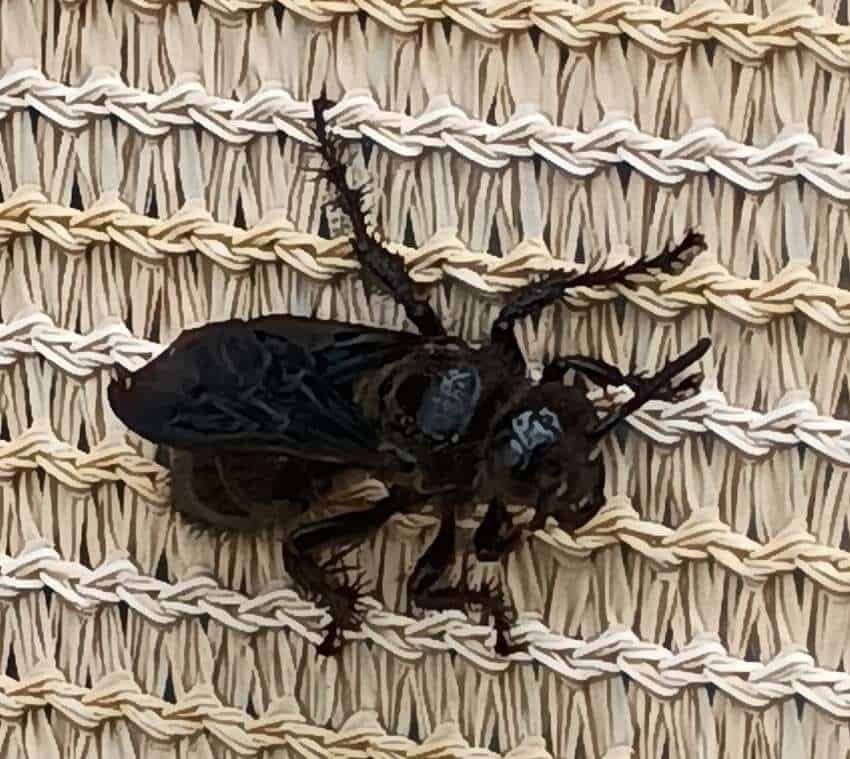
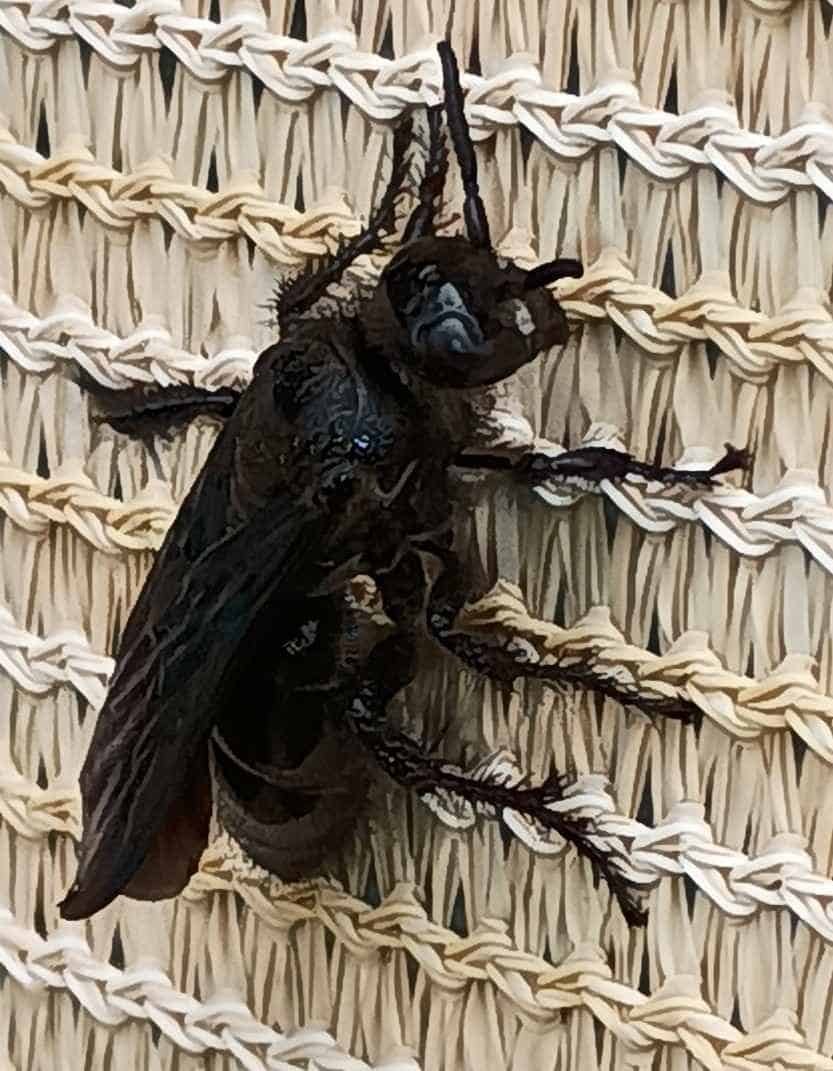
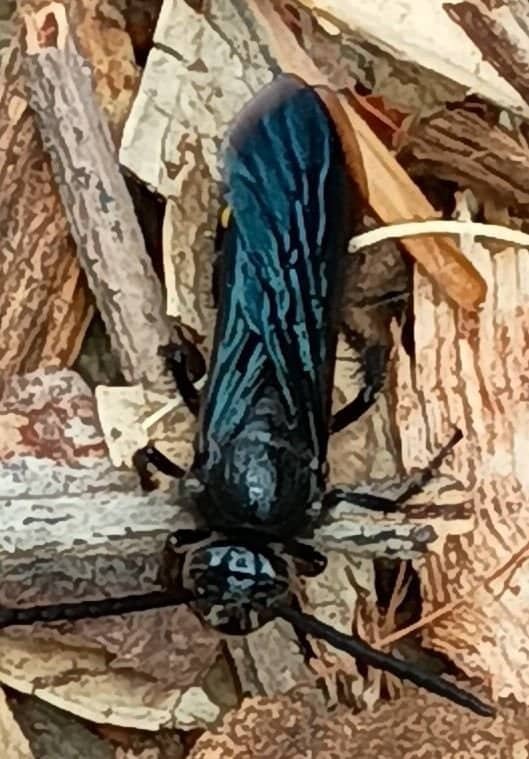
Black digger wasps in Western Australia often refer to large, dark wasps from genera like Sphex (Great Black Wasp) or spider wasps (Pompilidae) with dark bodies and sometimes colorful wings (e.g., orange), known for paralyzing insects to provision their nests, being generally harmless but capable of stinging if threatened, and are part of WA’s native insect fauna, helping with pest control. Common sightings around Perth and the South West include sand wasps (Bembix) and mud daubers (Sceliphron).
(Google AI overview)
Know your wasps — Atlas of Life
Crabronidae (family) (Sand wasp) – Canberra & Southern Tablelands
Black Digger Wasp (Sphex cognatus)
Green Looper (Chrysodeixis eriosoma)
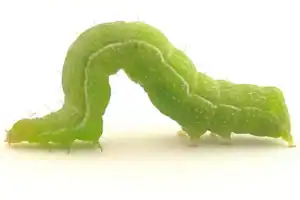
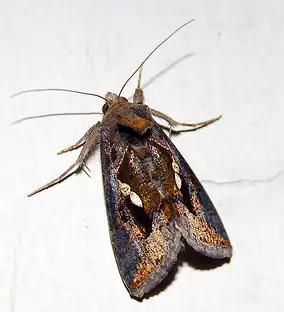
Loopers are the larvae (caterpillars) of various moth species. The larvae are called ‘loopers’ because of the way they move. Larvae grip the surface with their forelegs and arch their back as they move their hind legs up to just behind their forelegs, creating the ‘loop’. Taking a firm grip with their hind legs, they reach forward and start the process again, inching forward as they do.
Chrysodeixis eriosoma – Wikipedia
How to Get Rid of Loopers in Your Garden | Yates Australia
“Tick Tock” Cicada (Physeema quadricincta)

Physeema quadricincta is a species of cicada, also known as the tick-tock, in the true cicada family, Cicadettinae subfamily and Cicadettini tribe. The species is endemic to Australia. It was described in 1850 by English entomologist Francis Walker.
The species occurs in southern Western Australia from Kalbarri southwards to Augusta and Dongara, then eastwards to Cape Riche, with an isolated population at Kalgoorlie. Associated habitats include coastal dune vegetation, open heathland, gardens, roadsides and low grassy woodland.
Physeema quadricincta – Wikipedia
The Insect Diary: Tick Tock Cicada: Physeema quadricincta
Darkling beetle (Tenebrionidae)
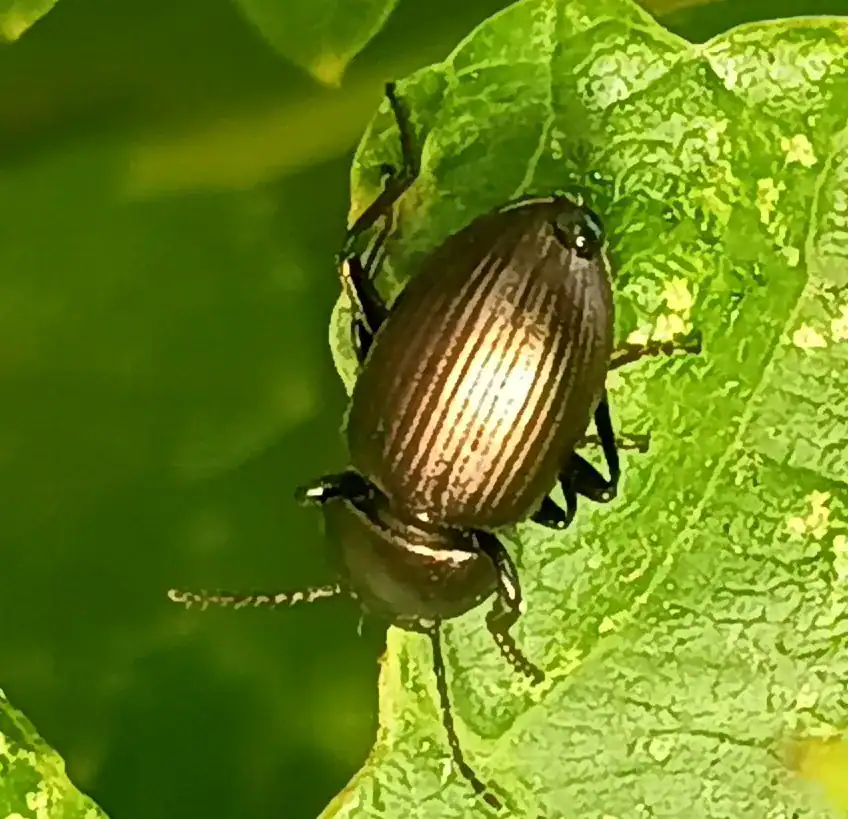
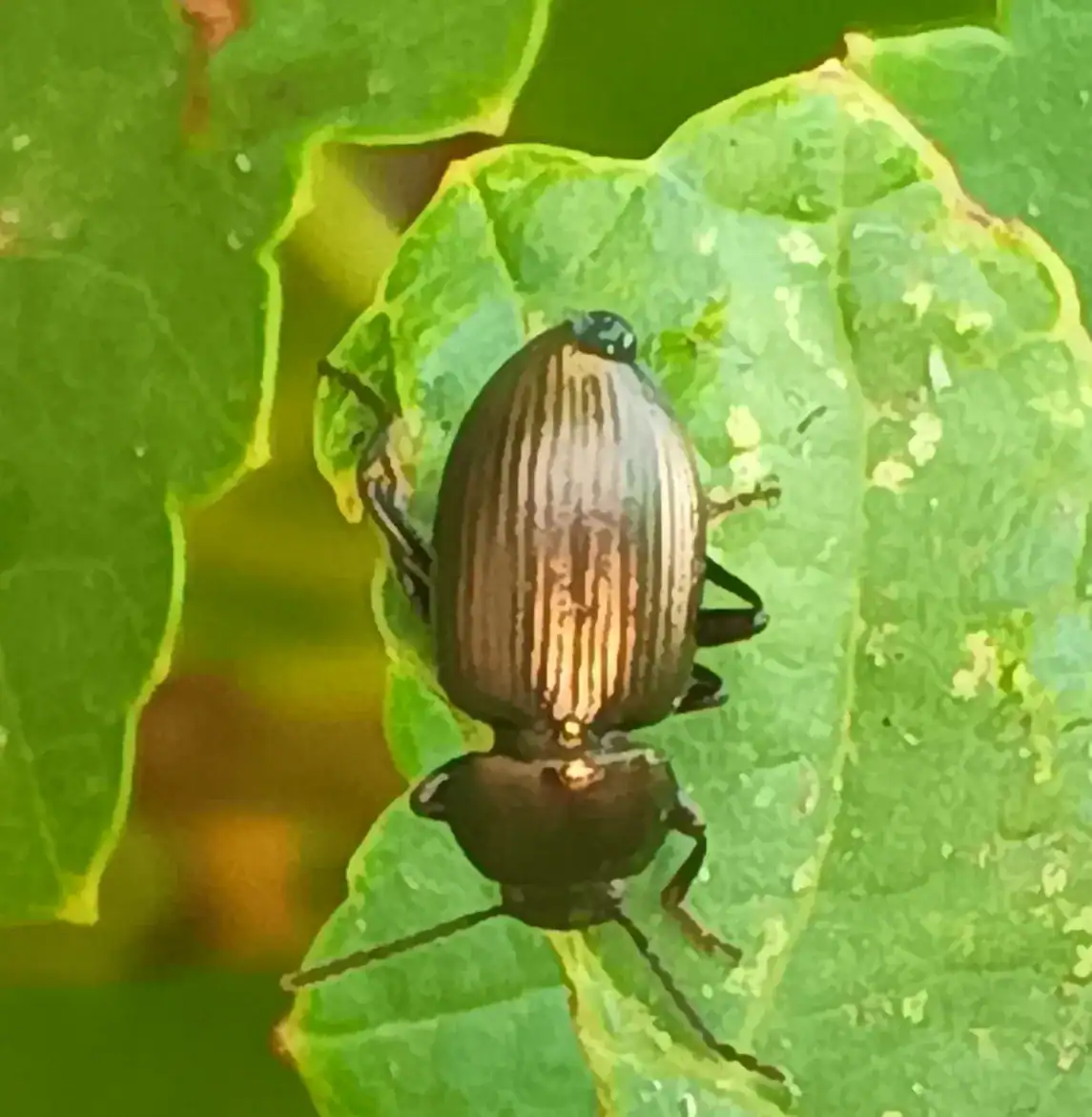
Believed to be: Darkling beetle (Tenebrionidae) species – NatureMapr Australia, – specifically Adelium brevicorne (Bronzed field beetle);
Located on grape vine early morning 2026-01-13 (Brookton)
see:
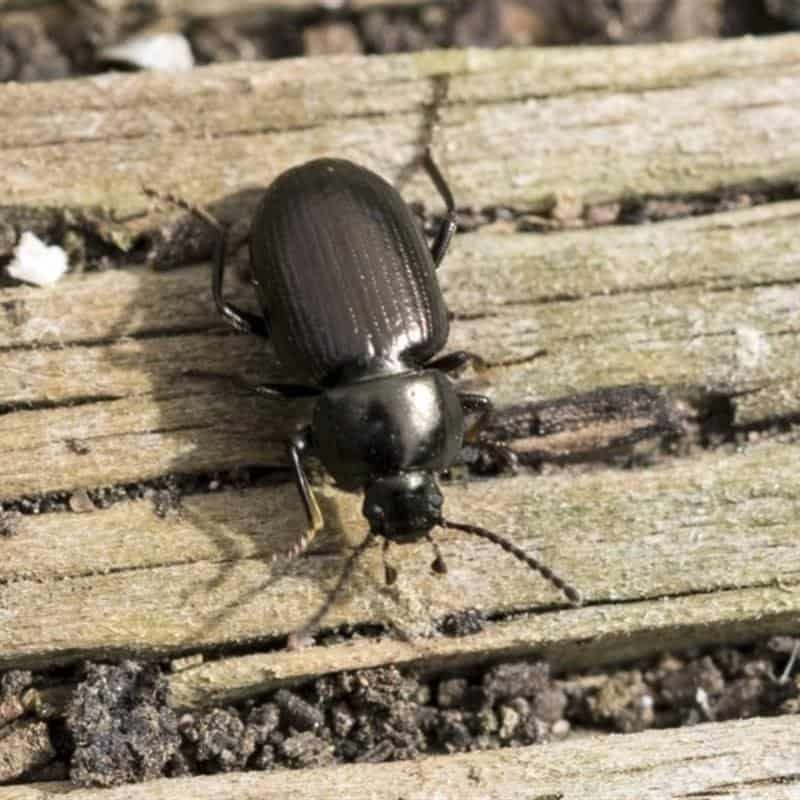
Darkling beetle is the common name for members of the beetle family Tenebrionidae, comprising over 20,000 species in a cosmopolitan distribution. (Wikipedia)
Several species of darkling beetles (Family Tenebrionidae) are common in the Western Australian Wheatbelt, including the native Pie-dish Beetle and the introduced Bronzed Field Beetle. These beetles are generally black or brown, nocturnal, and found in ground habitats.
Common Species in the Wheatbelt
- Sympetes gagates (Pie-dish Beetle): This is a native, Western Australian endemic beetle found in the South West, Wheatbelt, and Midwest regions. They have a flattened shape and lack hind wings, making them flightless.
- Cheirodes sardous: Described as perhaps the most common beetle in rural WA settings, this small, black darkling beetle is often attracted to lights. When squashed, it emits a pungent odor and can leave a reddish stain.
- Adelium brevicorne (Bronzed Field Beetle): Introduced to WA in the late sixties or seventies, this species is now very common in urban and rural settings in the central wheatbelt. They can occasionally be a minor pest of canola seedlings and, when threatened, release a strong-smelling liquid.
- Chalcopteroides species: These shiny “peacock” beetles are native and well-adapted to arid environments. They are typically found under the bark of Eucalyptus species, and also produce a foul-smelling liquid if disturbed.
General Characteristics
- Appearance: Most Tenebrionid beetles are dull brown or black, though some may have a metallic sheen.
- Habitat and Diet: They are abundant in dry regions and primarily scavengers, feeding on dead and decaying plant matter, fungi, and rotting wood both as larvae (sometimes called false wireworms) and adults.
- Behaviour: Most species are nocturnal and hide under logs, rocks, or bark during the day.
- Defense Mechanism: Many species found in the region use chemical defense, emitting a pungent or foul-smelling liquid when disturbed.
For more information, you can explore the diverse species on the NatureMapr Australia website.
(Source: Google AI Overview)
Red-belted Sand Wasp (Ammophila sabulosa)
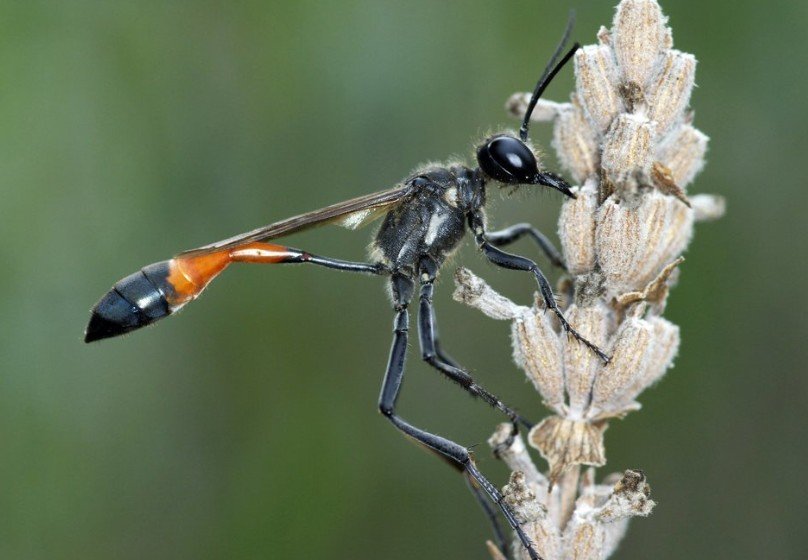
Red-belted Sand Wasp (Ammophila sabulosa) · iNaturalist Australia
Source: Wikipedia
Ammophila sabulosa, the red-banded sand wasp, is a species of the subfamily Ammophilinae of the solitary hunting wasp family Sphecidae, also called digger wasps.Found across Eurasia, the parasitoid wasp is notable for the mass provisioning behaviour of the females, hunting caterpillars mainly on sunny days, paralysing them with a sting, and burying them in a burrow with a single egg.
The species is also remarkable for the extent to which females parasitise their own species, either stealing prey from nests of other females to provision their own nests, or in brood parasitism, removing the other female’s egg and laying one of her own instead.
Cabbage White Butterfly
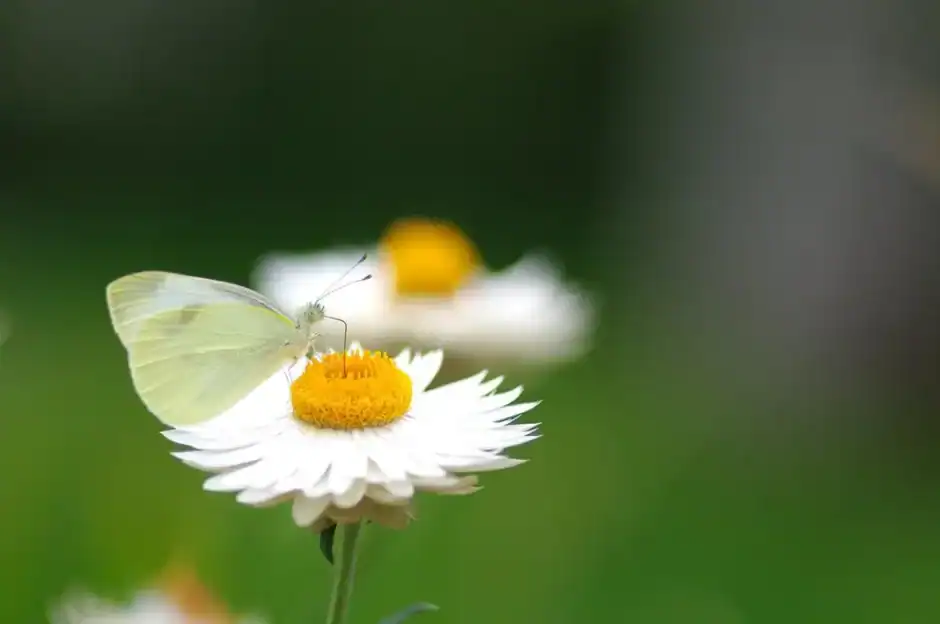
Cabbage White Butterfly • ReWild Perth
The most common white butterfly in Western Australia is the introduced Cabbage White (Pieris rapae), easily identified by black spots (one for males, two for females) and black wing tips, often a garden pest on brassicas; however, native white butterflies like the Yellow Albatross (Appias interfere) and Wood White (Delias aganippe) also exist, distinguishable by their distinct patterns, host plants (like Caper family for Caper Whites), and location, with Caper Whites migrating inland.
Common White Butterflies in WA
Cabbage White (Pieris rapae):
Appearance: White wings with black tips; males have one spot, females two. Underside of hindwing is yellowish.
Behaviour: Very common in gardens, highly territorial.
Pest: Larvae (imported cabbageworm) feed on cabbages, broccoli, and related plants (Brassicaceae).
(Source: Google Overview)
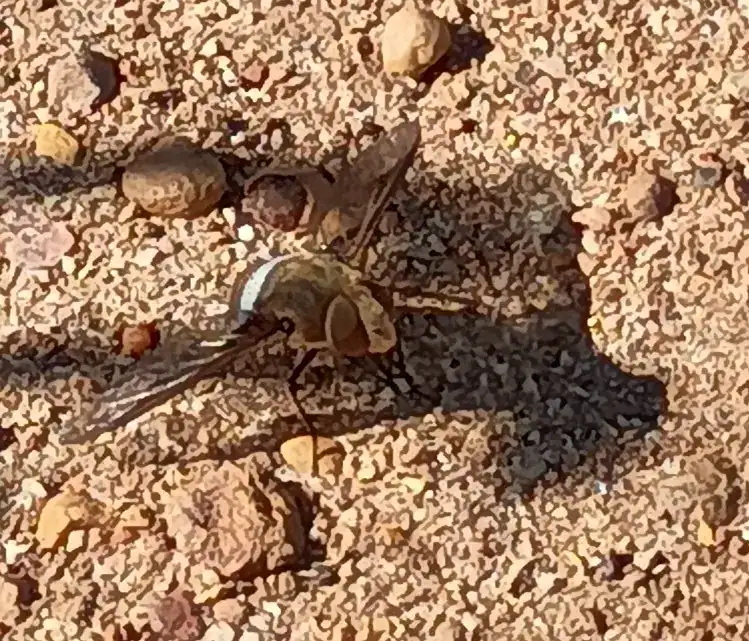
Large Banded Bee Fly (Ligyra cingulata)
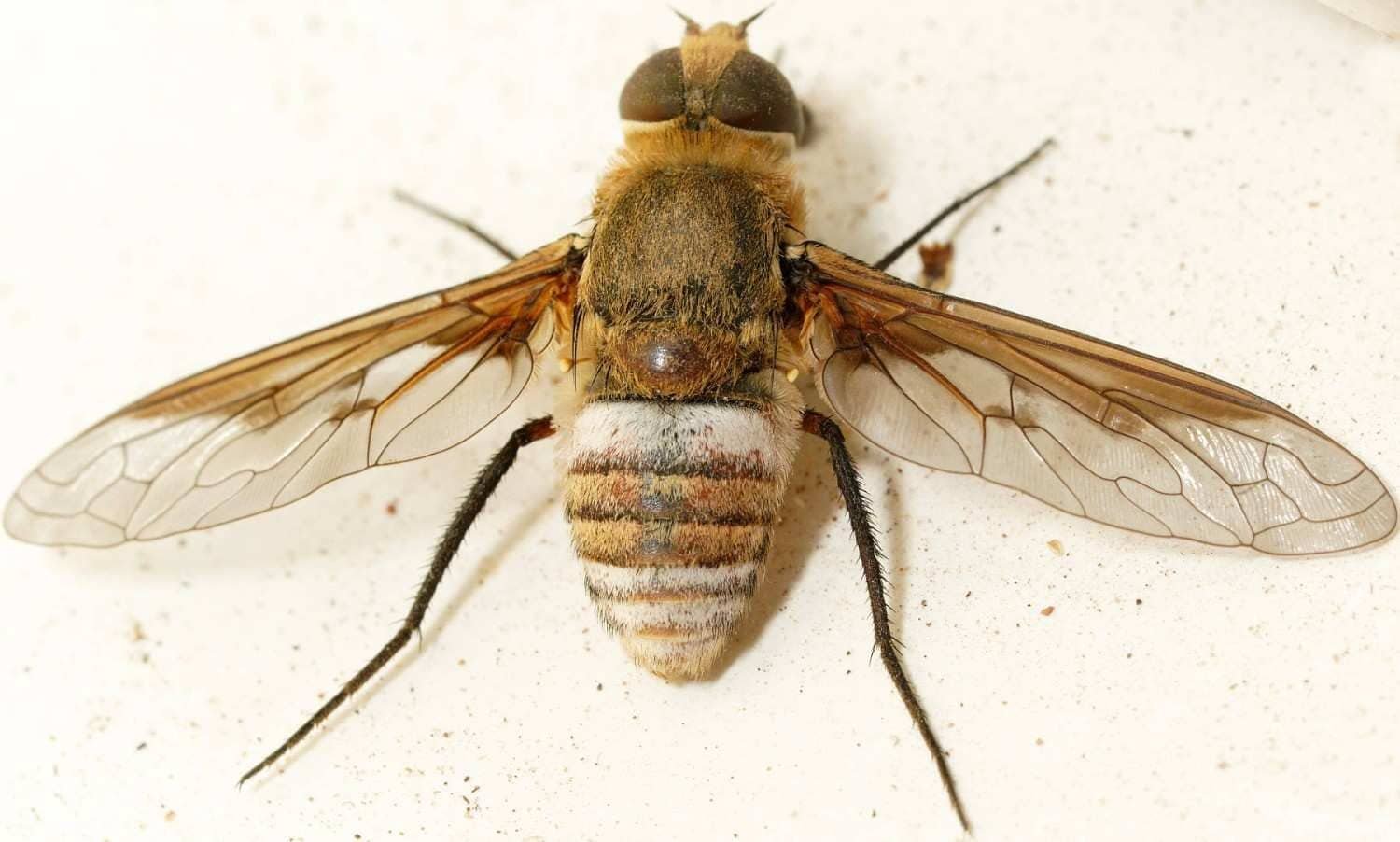
Image Source: Large Banded Bee Fly: S4, Male, dorsal (www.ellura.info)
Google AI Overview
The Large Banded Bee Fly (Ligyra cingulata) is a large (12–17 mm) Australian fly with a striking, bee-like appearance, featuring an orange-brown thorax and a black abdomen with white markings. Found across eastern and southern Australia, they are active in summer, acting as pollinators while their larvae are parasitic on other insects.
Robber Fly (Asilidae)
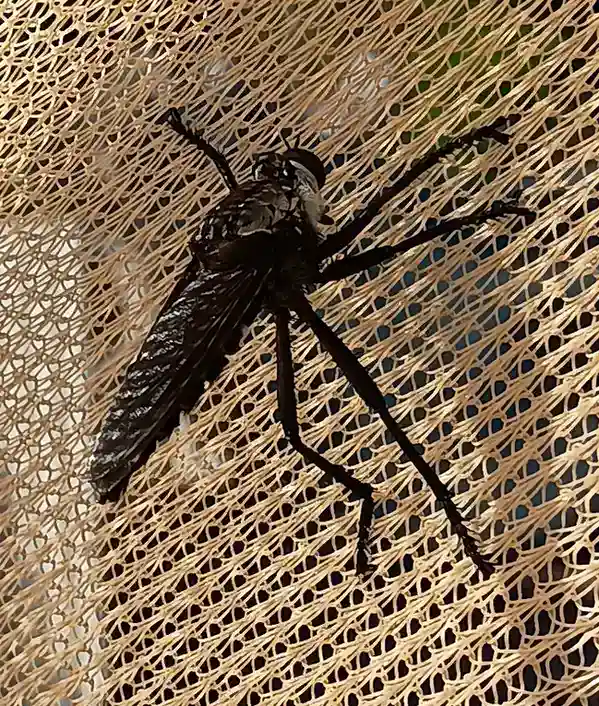
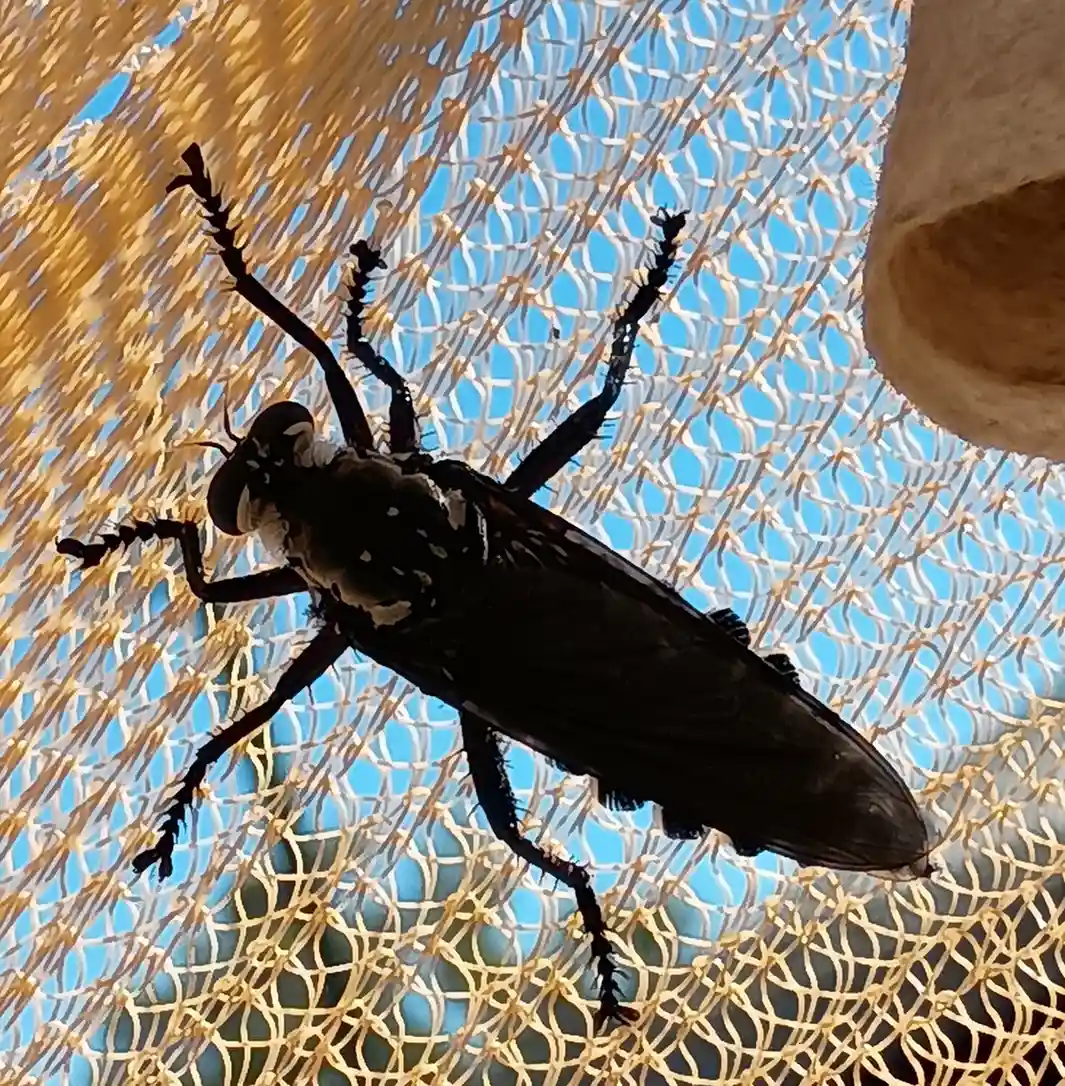
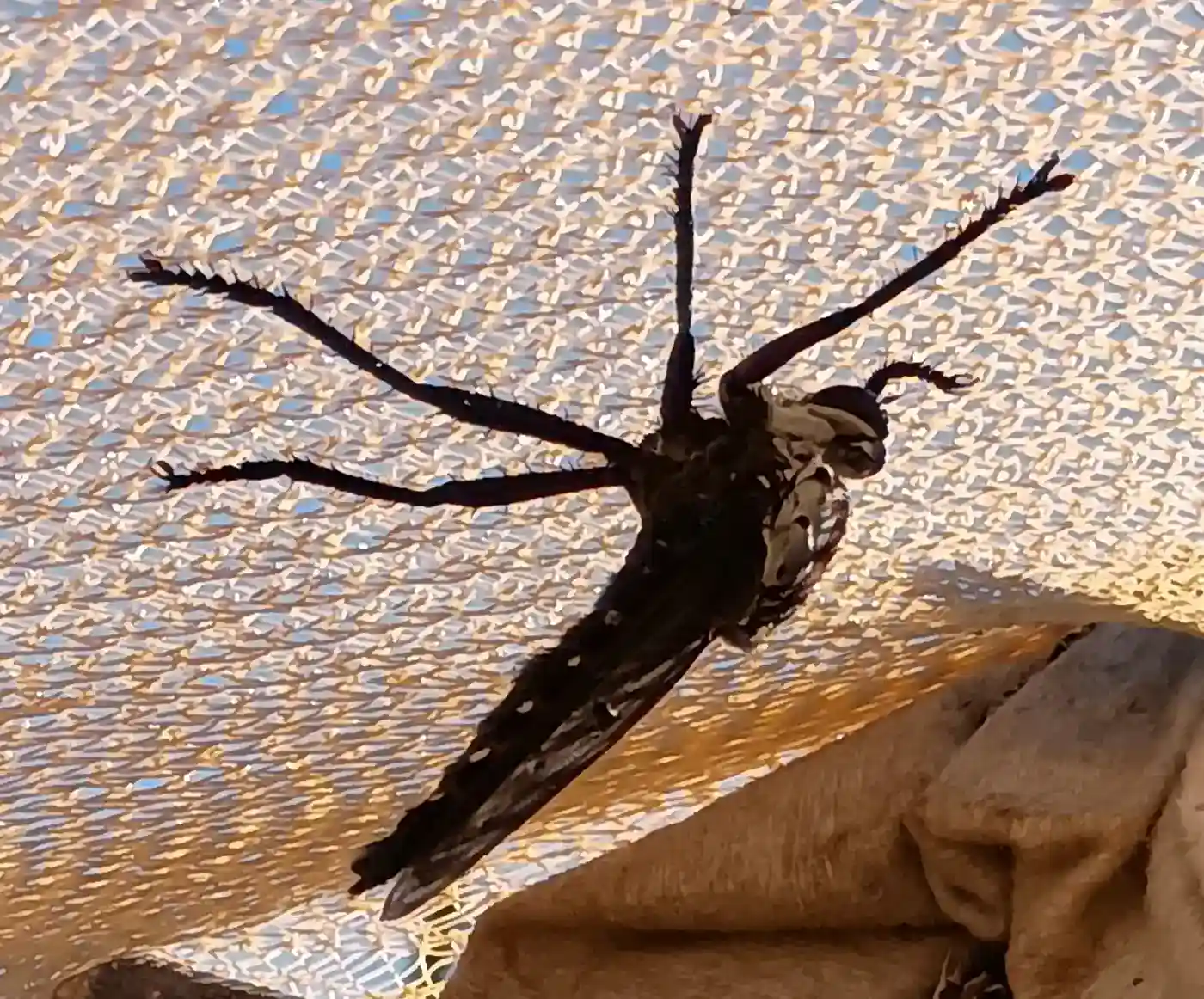
The Asilidae are the robber fly family, also called assassin flies. They are powerfully built, bristly flies with a short, stout proboscis enclosing the sharp, sucking hypopharynx. The name “robber flies” reflects their expert predatory habits; they feed mainly or exclusively on other insects and, as a rule, they wait in ambush and catch their prey in flight. (Wikipedia)
Robber flies (Asilidae) are common, aggressive predators found throughout Australia, including the Western Australian Wheatbelt, known for catching other insects like bees, wasps, and flies mid-air using strong legs and injecting paralyzing venom to liquefy prey. They prefer sunny, open, and warm areas, fitting well with the Wheatbelt’s environment, and can be identified by their bristly bodies, large eyes with a head divot, and powerful predatory nature, with species like Phellus piliferus found in southern WA. (Google overview)
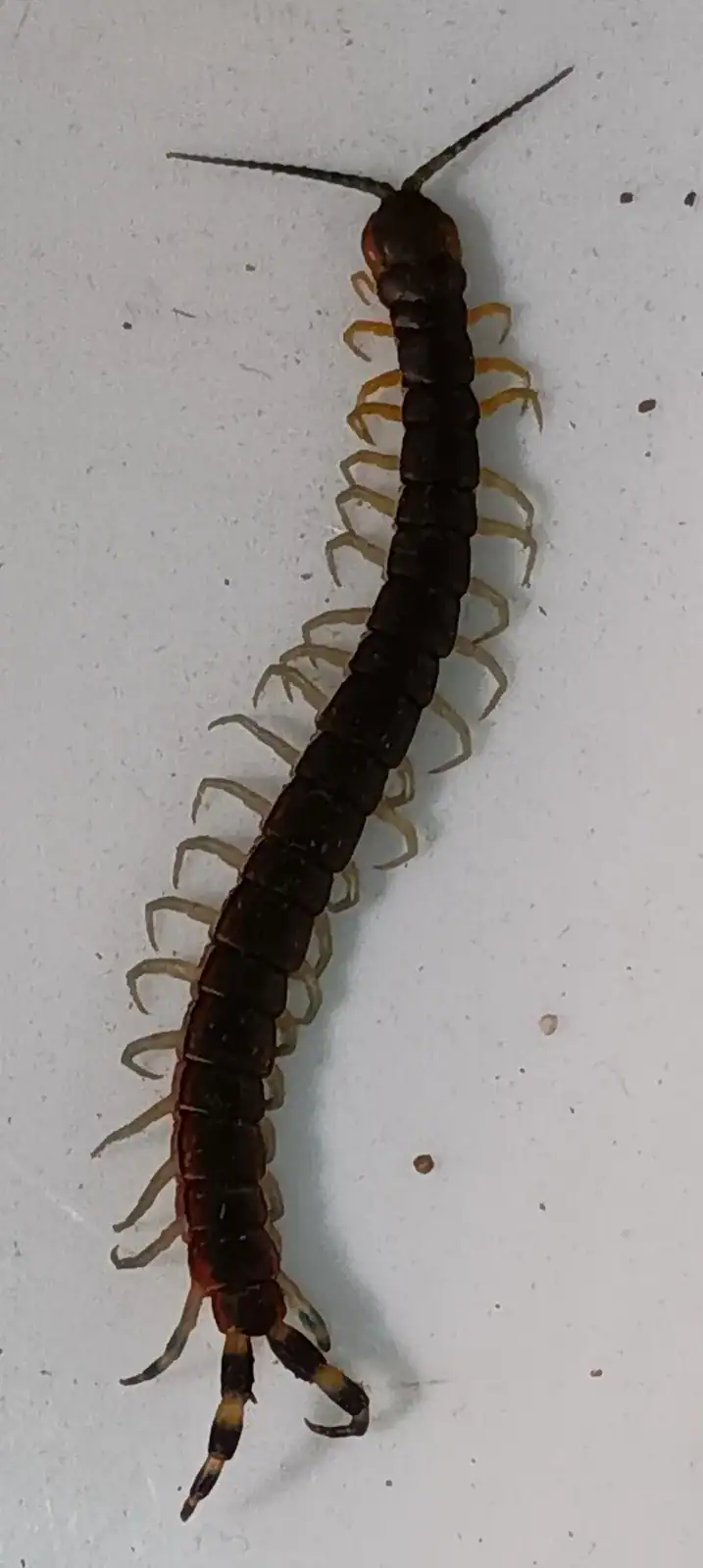
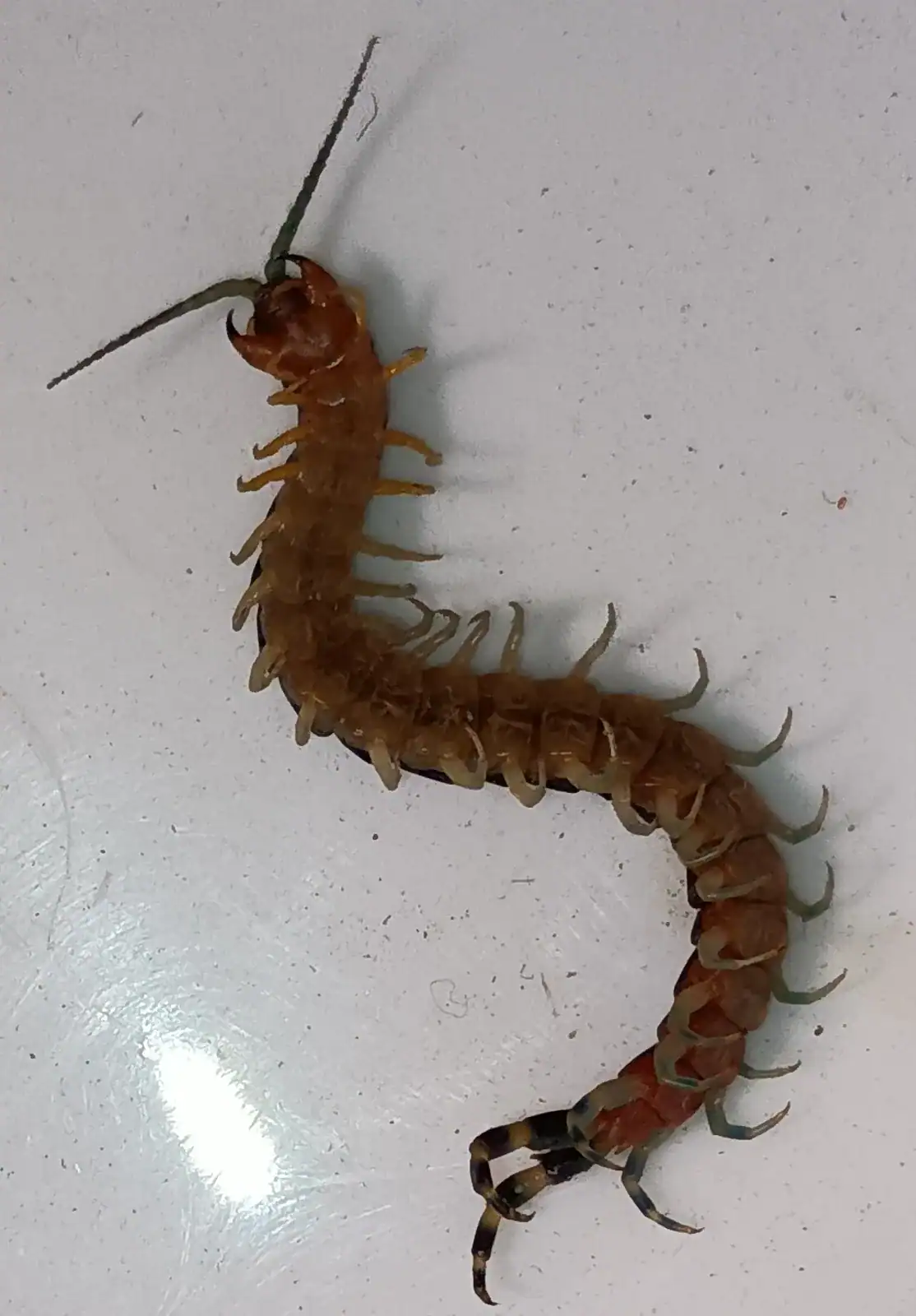
Centipede
European Wasp
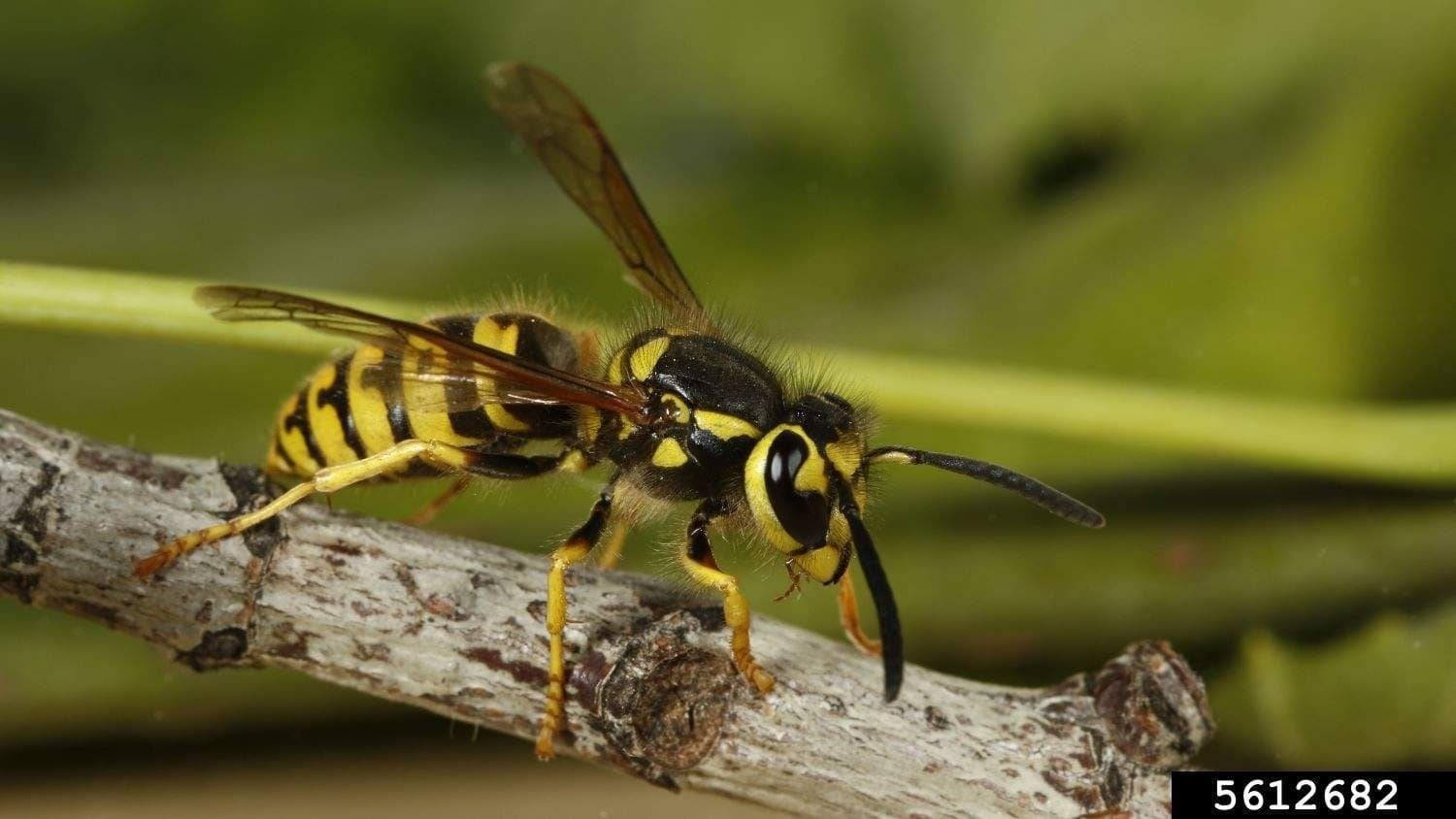
(not sighted; image here for reference only)
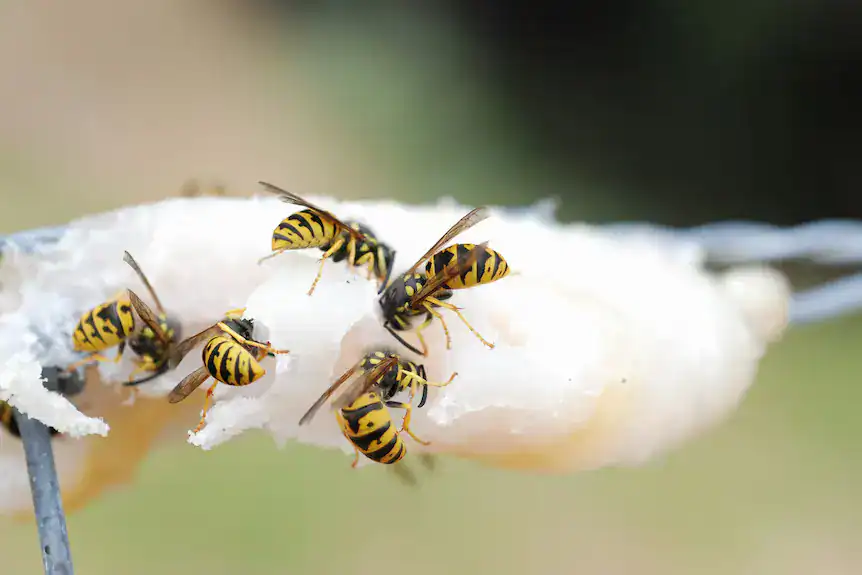
Source: Huge 40-litre European wasp nest found in Albany suburb – ABC News
Not to be confused with paper wasps, which are distinguished by their black and yellow antenna, European wasps live in holes and are attracted to protein-rich and sugary foods.
Key Identification Features
Antennae: The European wasp has entirely black antennae. This is a primary differentiator, as paper wasps have yellow-orange or reddish-brown antennae.
Body Shape & Colour: They have a stout, bee-like body (around 15 mm long) that is bright lemon-yellow with black stripes and a distinct black, diamond-shaped marking on the first abdominal segment. In contrast, paper wasps are longer, thinner, and have a narrow waist.
Legs: When in flight, the European wasp holds its legs tucked up close to its body and flies very quickly without hovering. Paper wasps dangle their back legs while hovering.
Hairiness: European wasps have many small hairs on their head and body, unlike the smoother paper wasps.
Behaviour and Nesting Habits
Food Source: European wasps are scavengers and are highly attracted to human and pet foods, such as meat, fish, pet food, and sugary drinks. Paper wasps primarily feed on nectar and catch caterpillars to feed their larvae.
Nesting Location: Nests are usually found in concealed locations, most often underground with a busy, single entrance hole, but can also be in wall cavities, roof spaces, or tree hollows. The nests are large (basketball size or bigger in autumn), grey, and made of a paper-like material with an outer covering. Paper wasps build smaller, open honeycomb nests above ground under eaves or fence capping.
Aggression: European wasps are highly aggressive, especially if their nest is disturbed, and can sting repeatedly en masse.
(Source: Google AI overview)
Paper Wasp
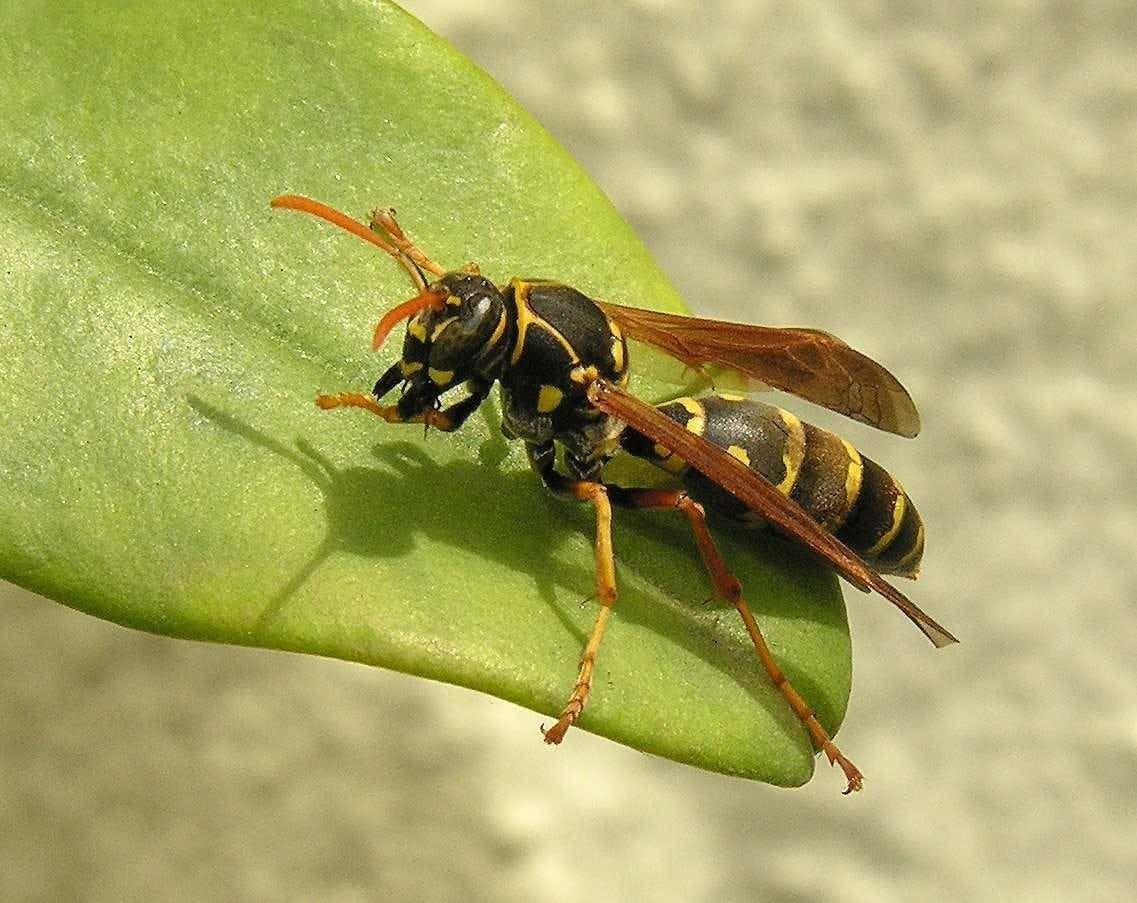

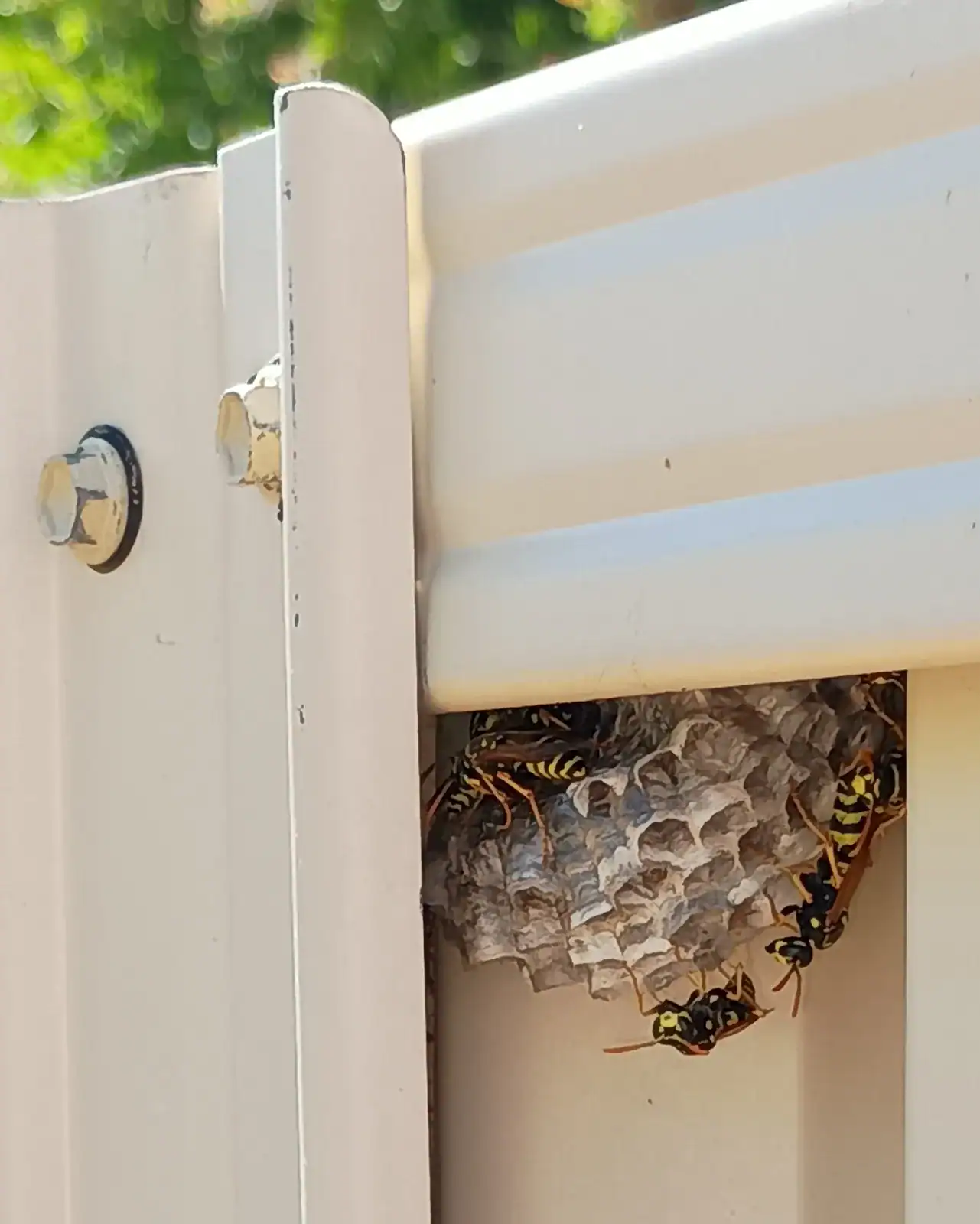
See comments for the European wasp for paper wasp differentiation.
Western (/European) Honey Bee (Apis Mellifera)
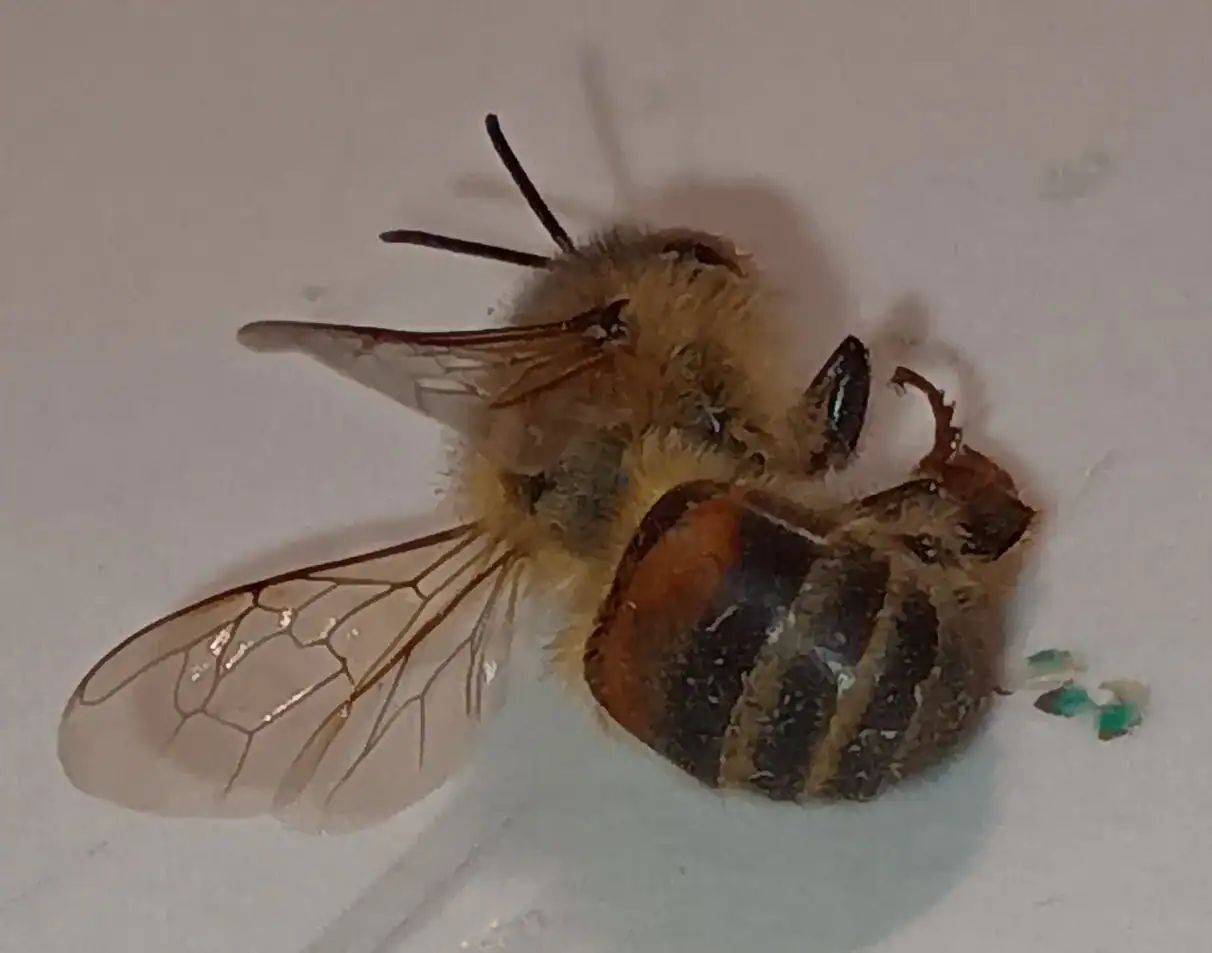
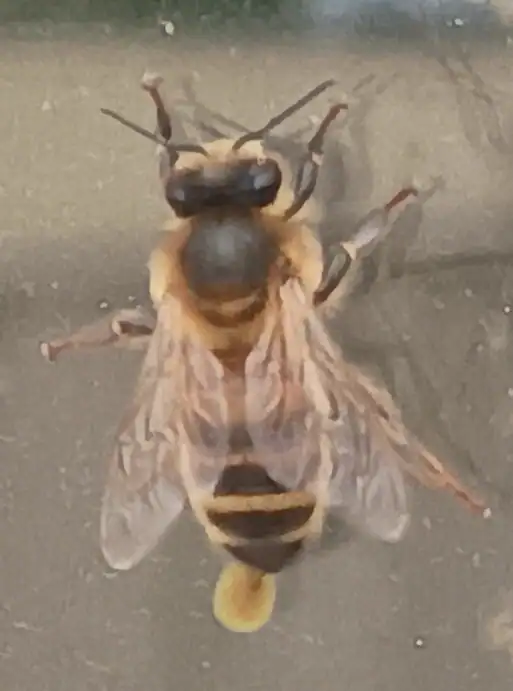
The western honey bee or European honey bee (Apis mellifera) is the most common of the 7–12 species of honey bees worldwide. The genus name Apis is Latin for ‘bee’, and mellifera is the Latin for ‘honey-bearing’ or ‘honey-carrying’, referring to the species’ production of honey. (Wikipedia)
Native Bees | Western Australian Museum
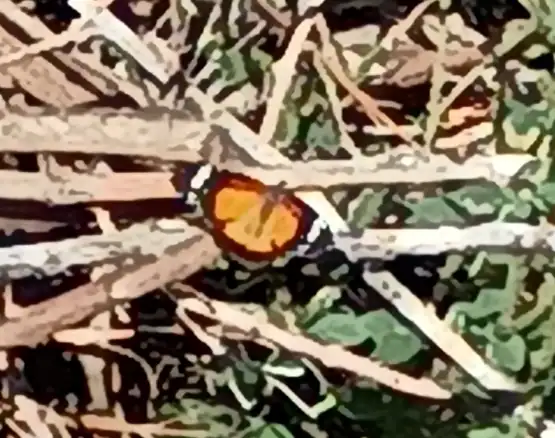
Butterfly
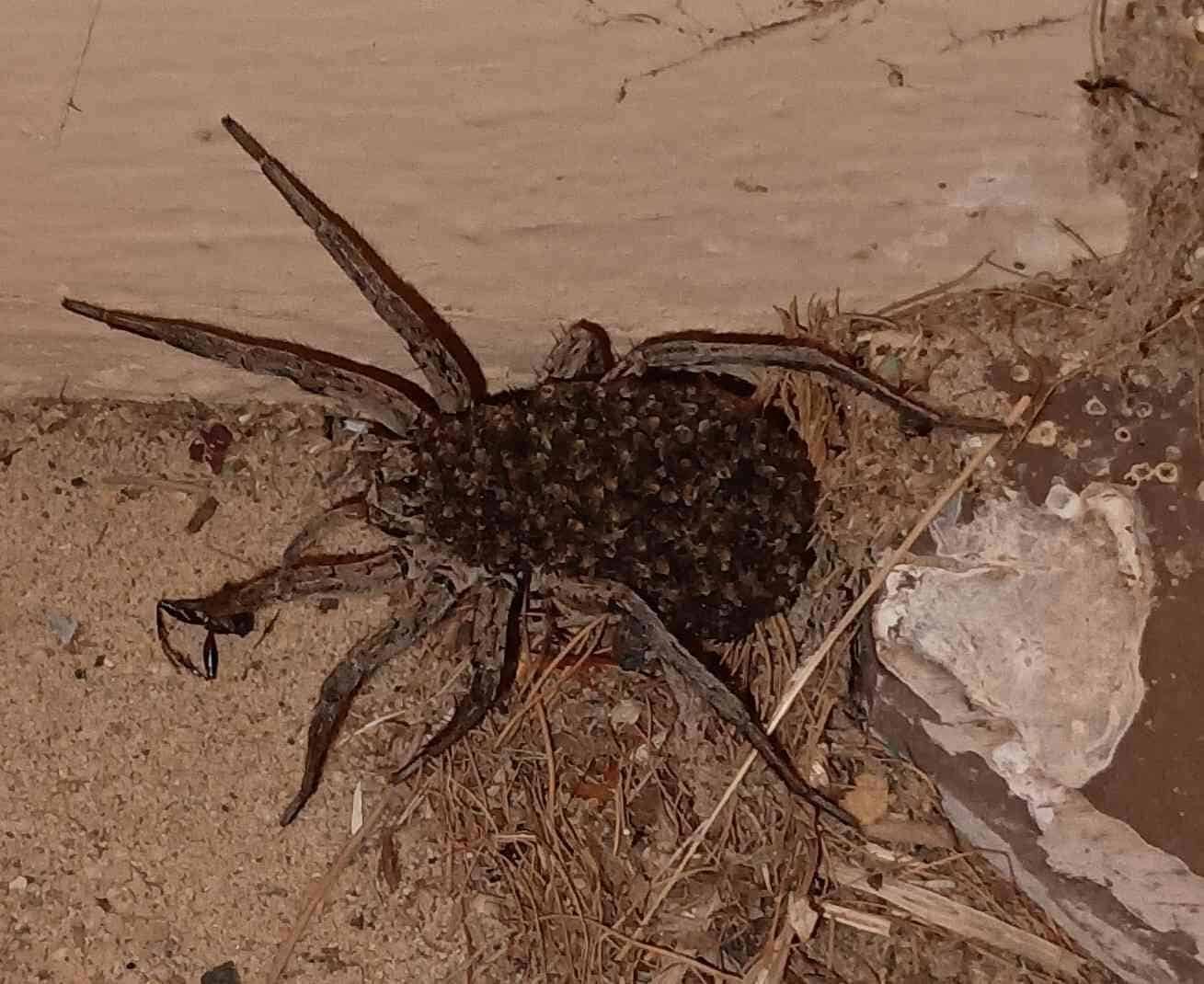
Wolf Spider (with kids)