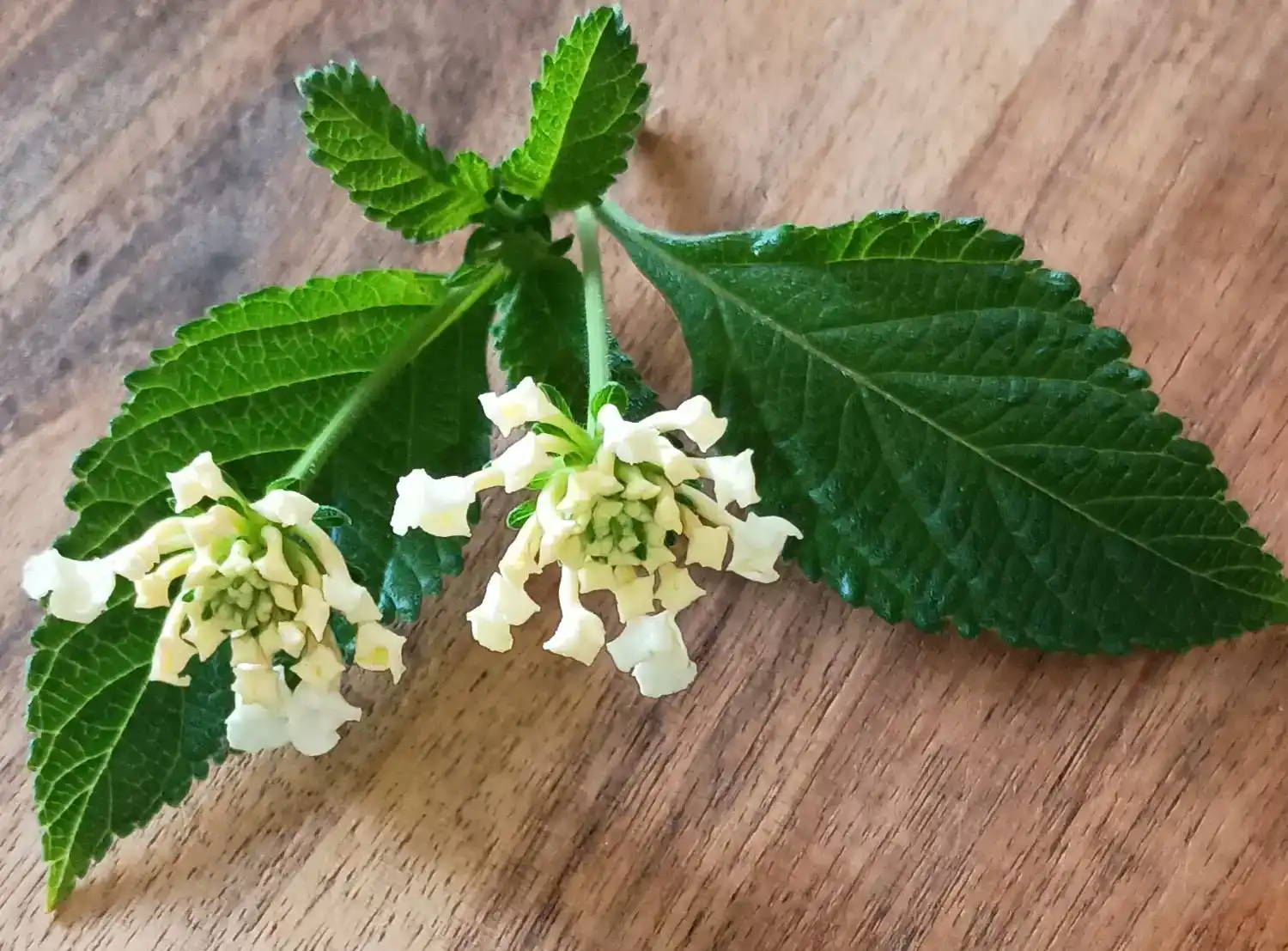
Wire Weed (Polygonum aviculare)
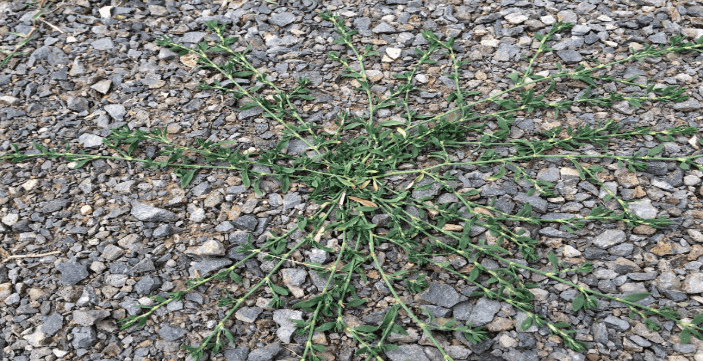
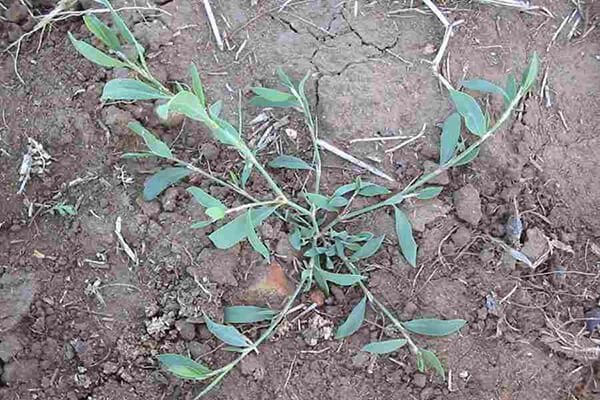
Wireweed – The Australian Wine Research Institute
Wireweed (Polygonum aviculare), also commonly known as Prostrate Knotweed, Hogweed, or Knotgrass, is a tough, low-growing annual herb native to Europe and widely naturalized throughout temperate regions of the world, including Australia and North America. It is known for its extreme resilience and ability to thrive in compacted, nutrient-poor, or heavily trafficked soils. (Google AI overview)
Heliotrope
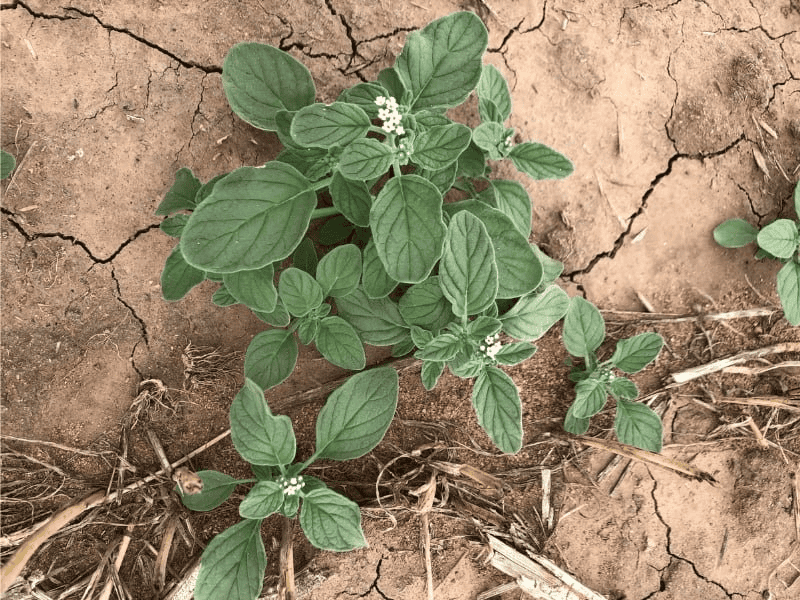
Purslane
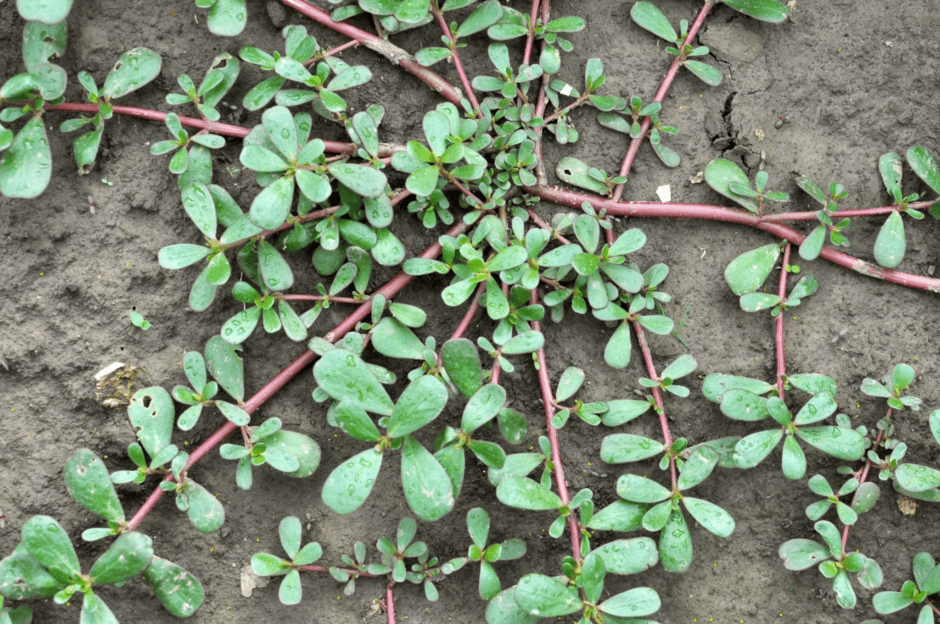
– source: “purslane” Google AI Overview
Common Mallow
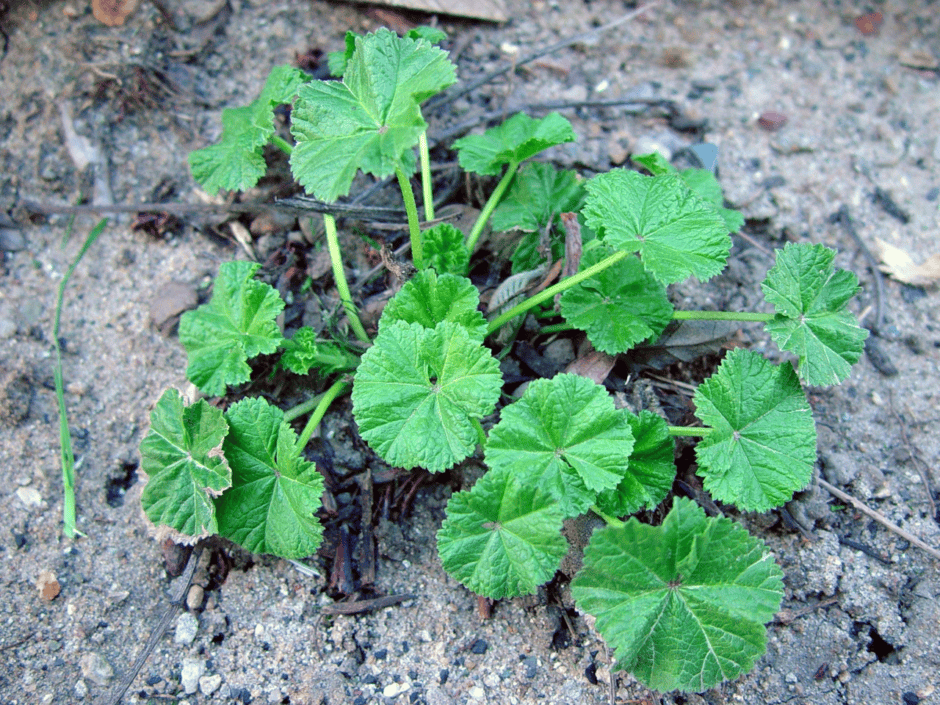
https://crops.extension.iastate.edu/encyclopedia/common-mallow
Malva neglecta is a species of plant of the family Malvaceae, native to most of the Old World except sub-Saharan Africa.
It is an annual growing to 0.6 m (2 ft). It is known as common mallow in the United States and also as buttonweed, cheeseplant, cheeseweed, dwarf mallow, and roundleaf mallow.[2]
This plant is often consumed as a food, with its leaves, stalks and seed all being considered edible.[3][4][5] This is especially true of the seeds, which contain 21% protein and 15.2% fat.[6]
Wild Lettuce (Prickly Lettuce)
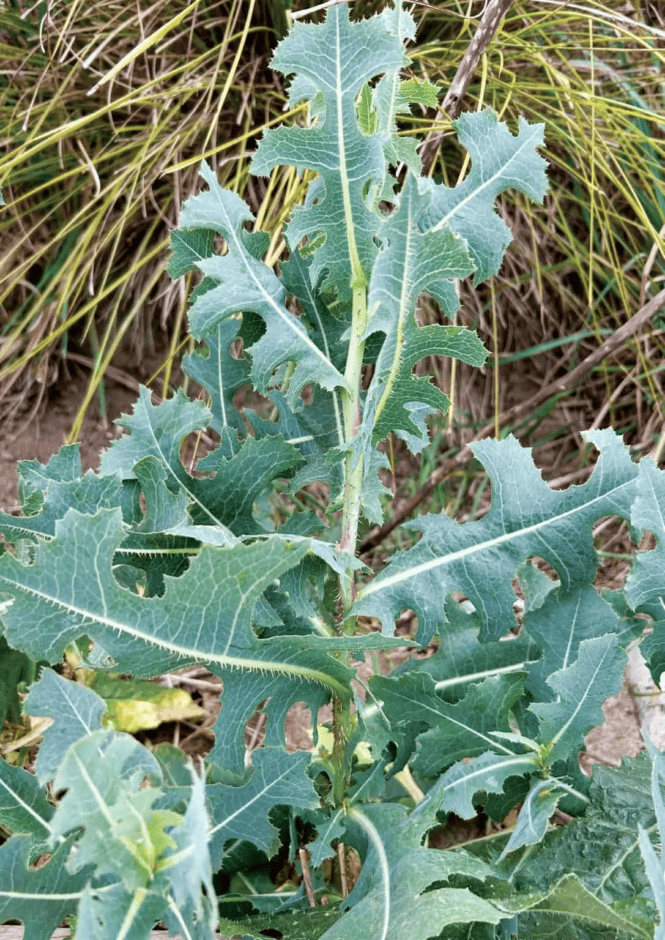
A close wild relative to our modern-day lettuce varieties, prickly lettuce or wild lettuce (Lactuca serriola) is an edible and widely spread weed that is found in most parts of Australia.
Native to Europe, Asia and parts of Africa and a member of the asteraceae family, this winter annual is a good replacement for our common lettuce varieties. It has a stronger flavour, slightly more bitterness and has been used for a long time as a medicinal herb.
Black Berry Nightshade (Solanum nigrum)
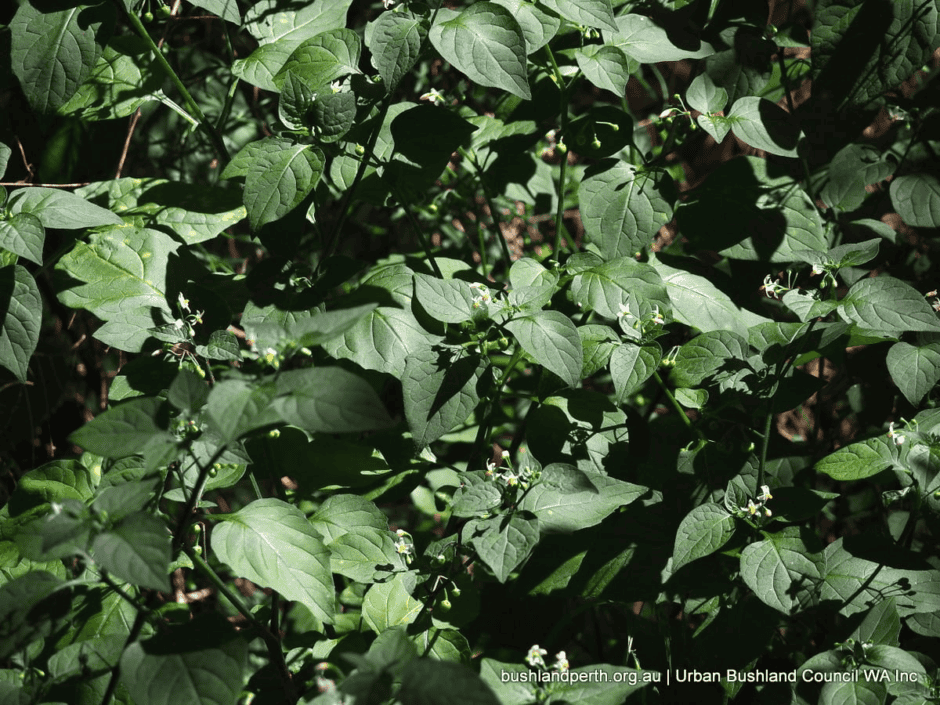
Key Differences & Identification in WA
- Deadly Nightshade (Atropa belladonna): Shiny black, larger berries, borne singly on branches; bell-shaped purple flowers; very toxic.
- Black Berry Nightshade (Solanum nigrum): Dull black/purplish berries in clusters; star-shaped white flowers; serious weed, toxic unripe but ripe berries/cooked leaves sometimes eaten (though still risky).
Why it Matters in WA
- Misidentification: People often mistake the common Black Berry Nightshade for the highly dangerous Atropa belladonna, causing confusion.
- Weed Status: Solanum nigrum is a significant weed in WA, impacting horticulture and disturbed areas.
- Toxicity: Both plants are poisonous; Atropa belladonna is extremely dangerous (a few berries can be fatal), and S. nigrum berries/leaves are toxic, especially unripe.
Management
- Wear Gloves: Always wear gloves when handling nightshades to prevent skin absorption of toxins.
- Remove Entire Root: Young plants can be pulled out, ensuring the whole root is removed to stop regrowth.
- Identify Correctly: Understand that the common “nightshade” weed in WA is usually Solanum nigrum, not Atropa belladonna, but treat both with extreme caution.
(source: Google AI overview)
Fleabane
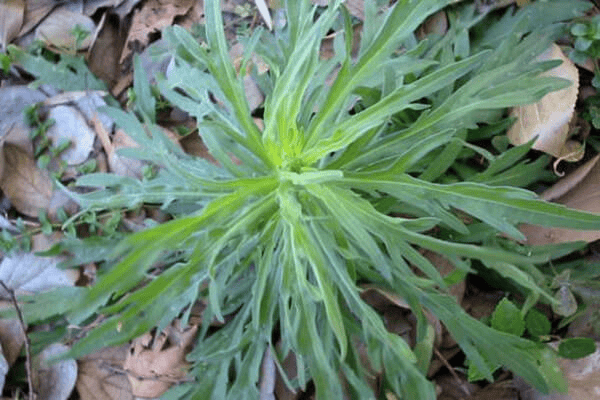
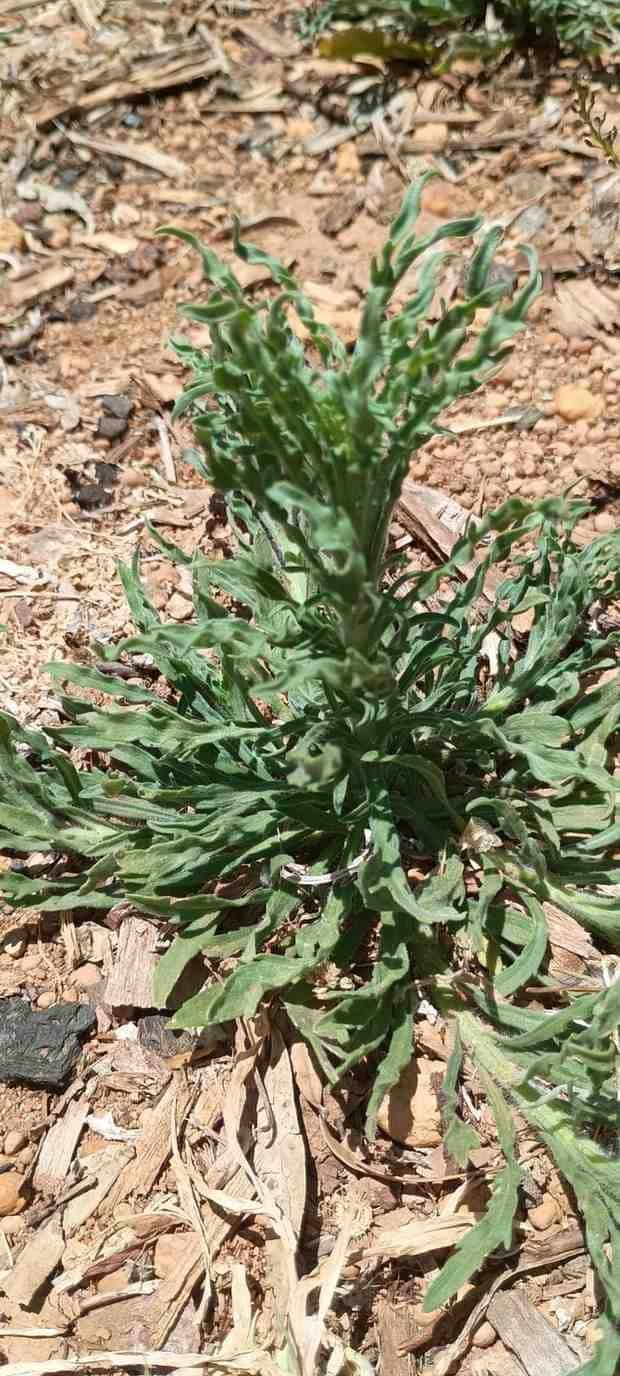
Flaxleaf and tall fleabane (Conyza spp.) are emerging weeds in Western Australia (WA), germinating in spring and becoming major weeds in summer. Fleabane is now considered an important weed of reduced tillage farming systems.
Historically, fleabane was primarily a weed of roadsides, particularly if the road shoulders were sprayed with glyphosate, leaving bare soil on which the fleabane could germinate and flourish.
Haresfoot Clover
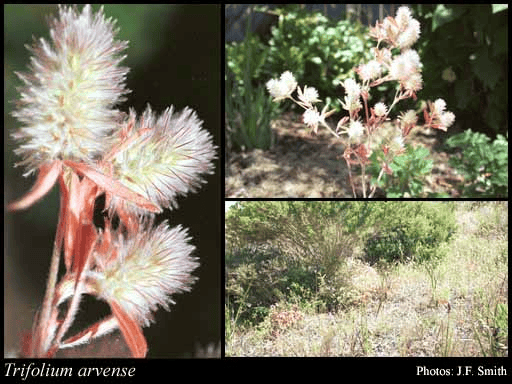
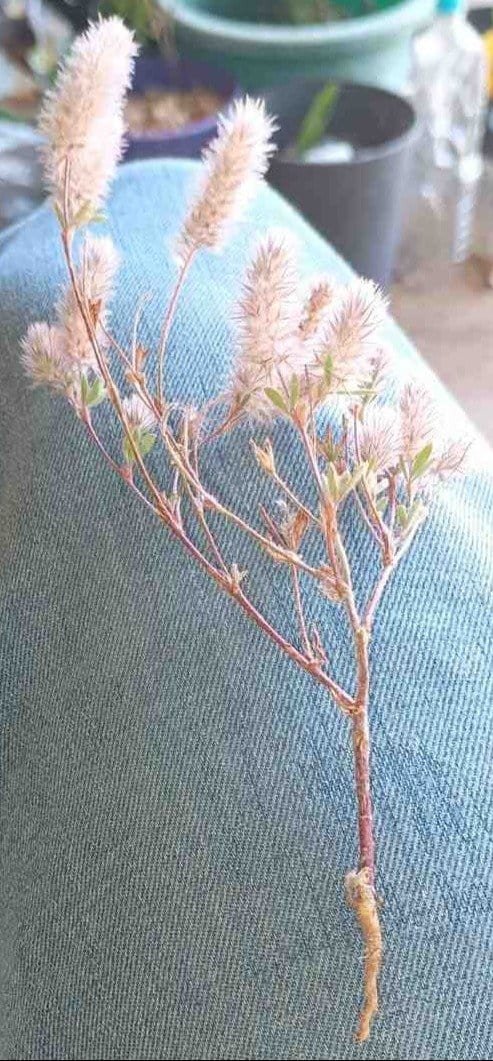
Trifolium arvense L.
Hare’s Foot Clover
Reference
Sp.Pl. [Linnaeus] 2:769 (1753)
Conservation Code
Not threatened
Naturalised Status
Alien to Western Australia
Name Status
Current
Erect or spreading annual, herb, to 0.5 m high. Fl. pink/white/green, Jun or Aug to Nov or Jan. Grey, brown or yellow sandy loam,granite. Along riverbanks, exposed rocky surfaces, agricultural areas.
Amanda Spooner, Descriptive Catalogue, 22 August 2007
Taxon Profile of Trifolium arvense L. | Florabase
Clover Medic
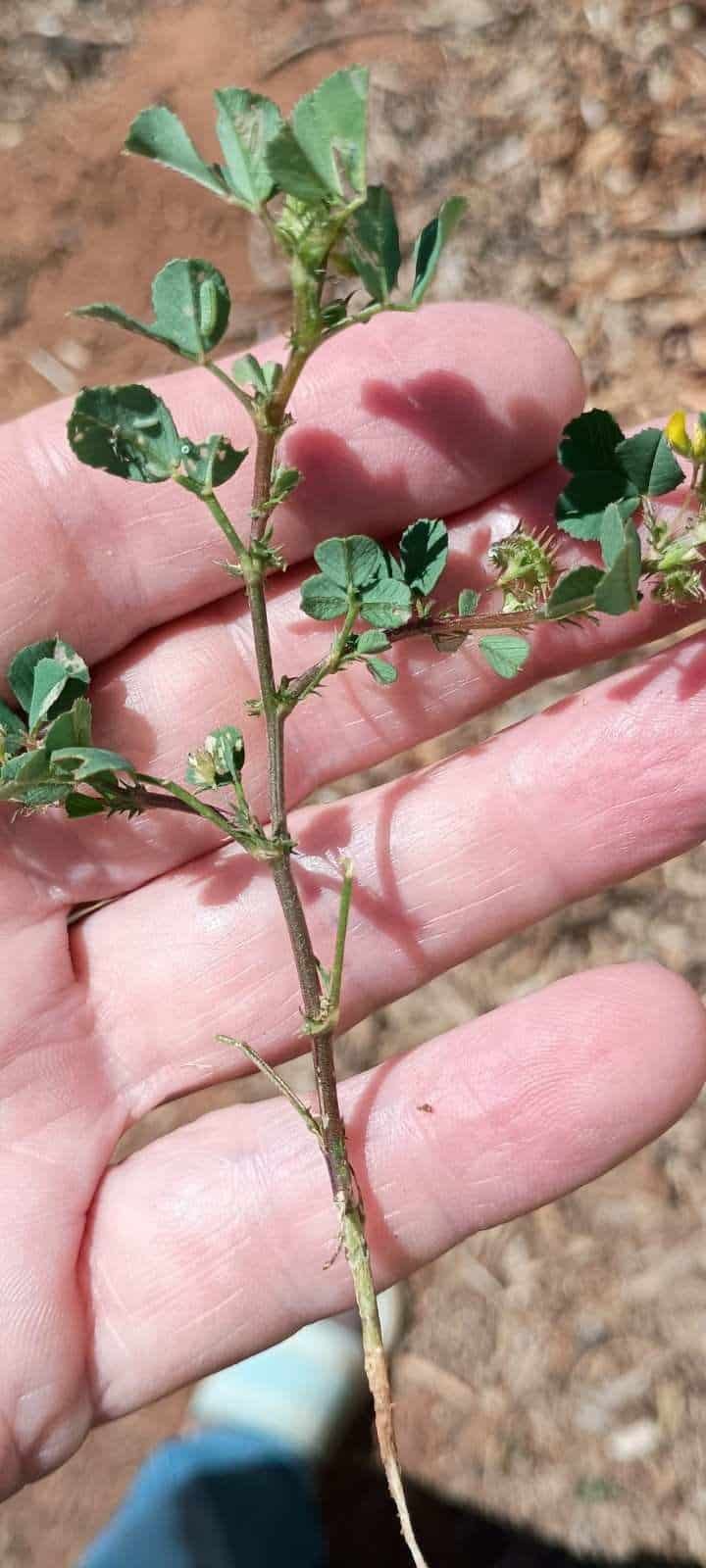
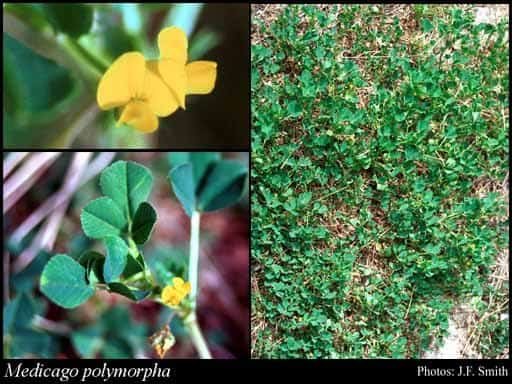
Taxon Profile of Medicago polymorpha L. | Florabase
Caltrop
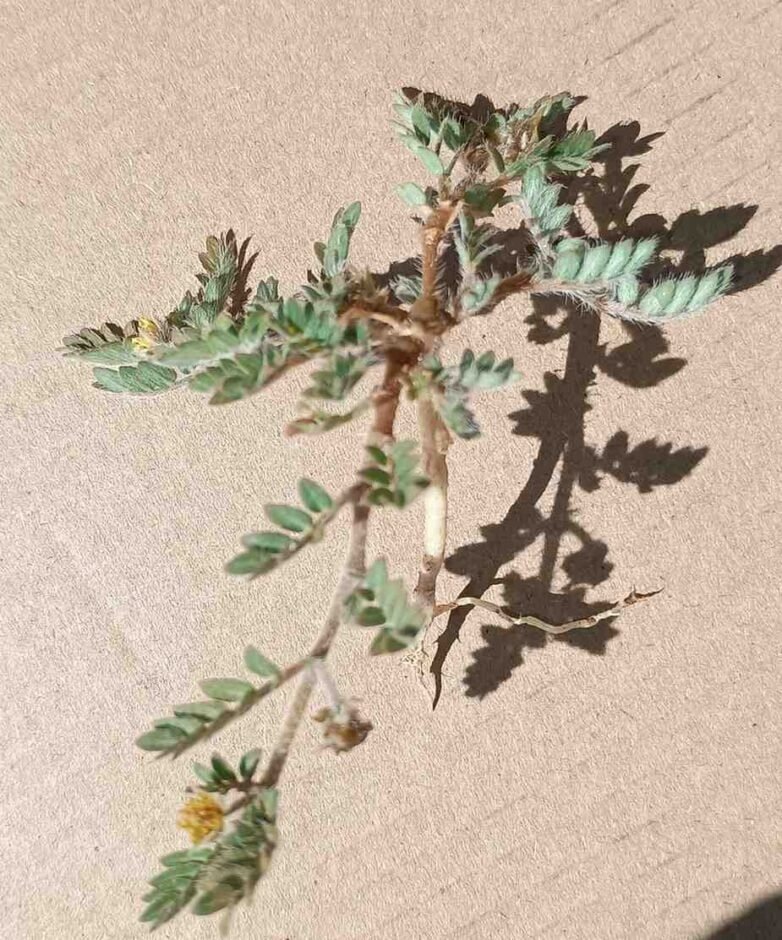
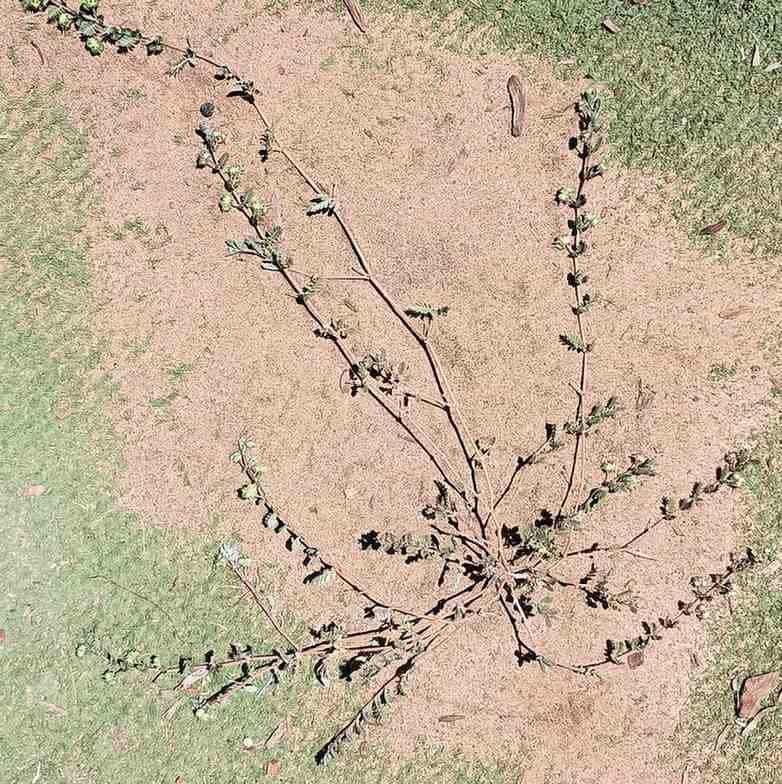
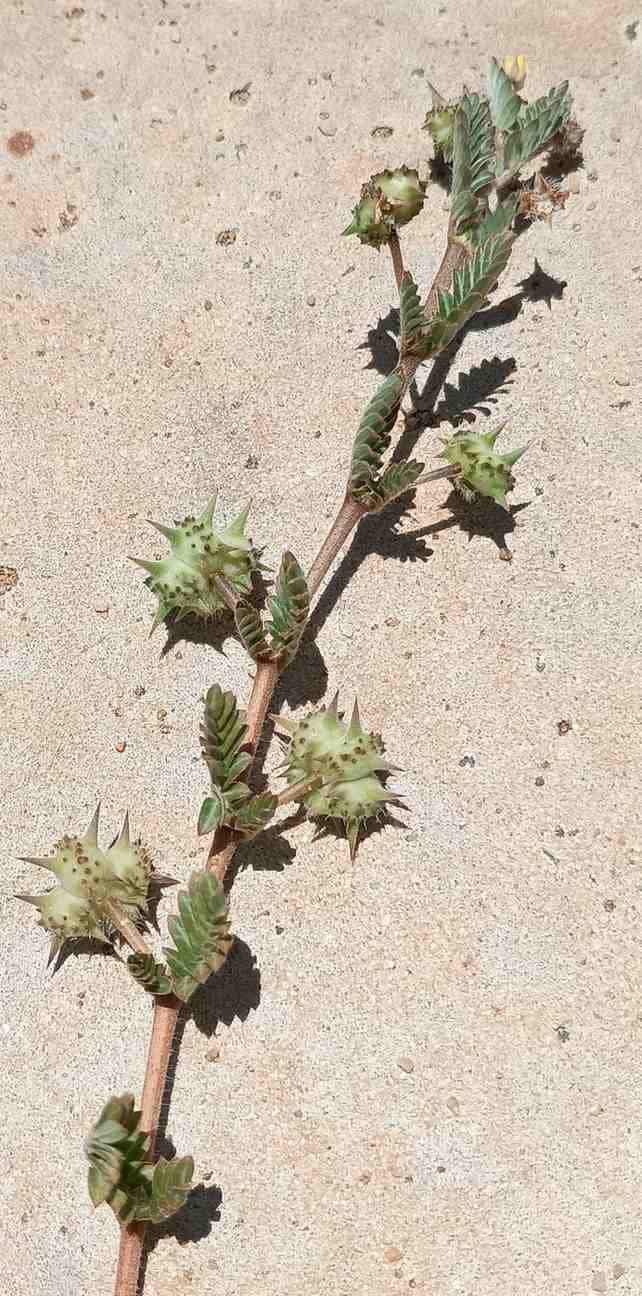
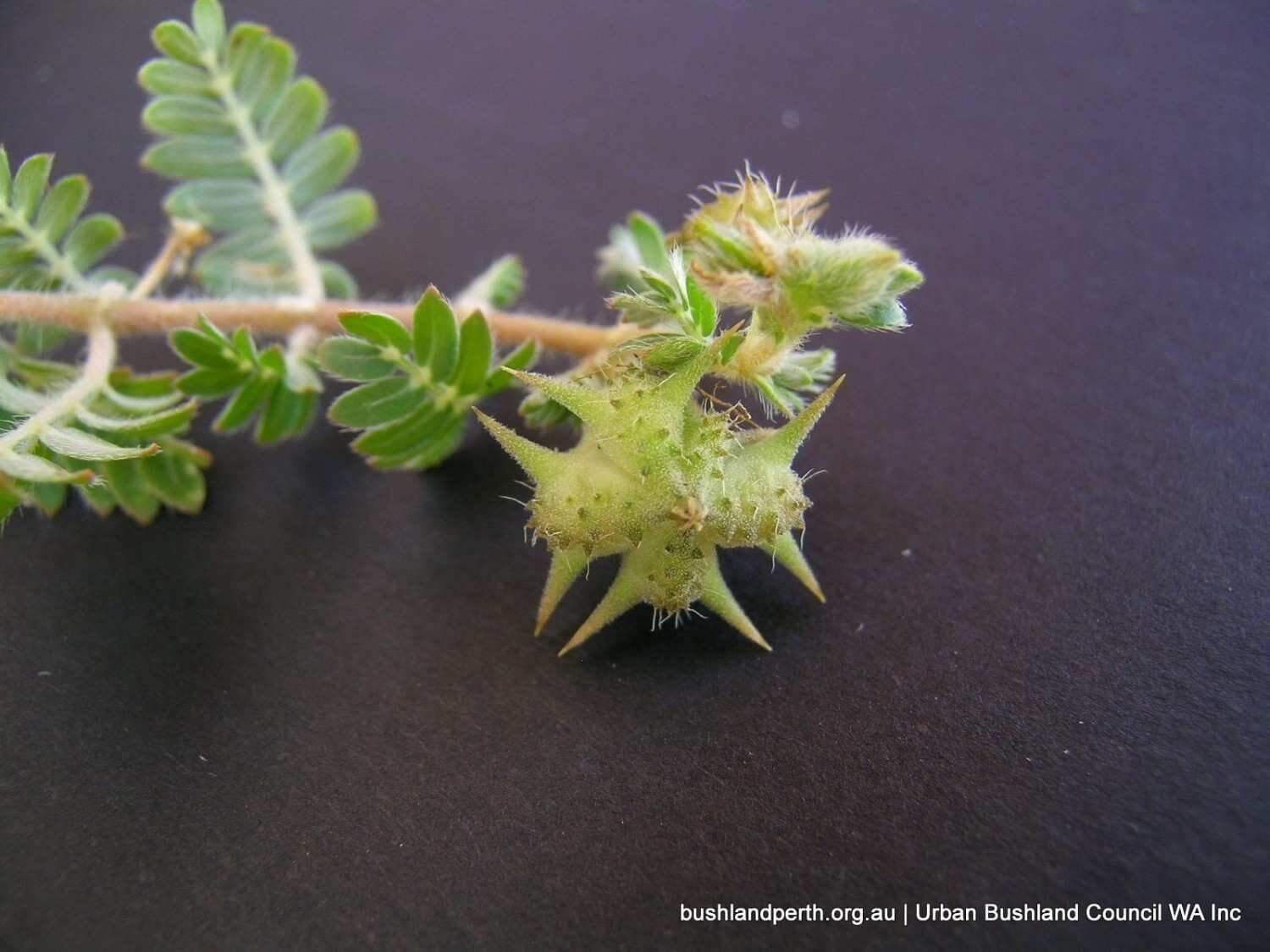
Caltrop | Weeds information | Weeds | Biosecurity | Agriculture Victoria
Caltrop – herbiguide.com.au
Quick Facts
Control by physical and mechanical removal, and the use of herbicides over many years.
Originally from southern Europe and northern Africa, Caltrop (Tribulus terrestris) is a matt forming (prostrate) annual herb with yellow flowers and spiny hard fruit.
Is a nuisance weed of wasteland, pastoral land, cropping, vineyards and recreation areas, with spiny fruit causing injury to humans, pets and animals
The spiny hard fruit pierces skin, bike tires and even feet through shoes with thin soles.
Strategically placed spines on the fruits ensure that it is spread widely by animals and machinery.
It contaminates orchard crops, dried fruit and wool.
It is toxic to sheep, causing photo-sensitisation, staggers and nitrate poisoning.
Lesser Snapdragon (Misopates orontium)
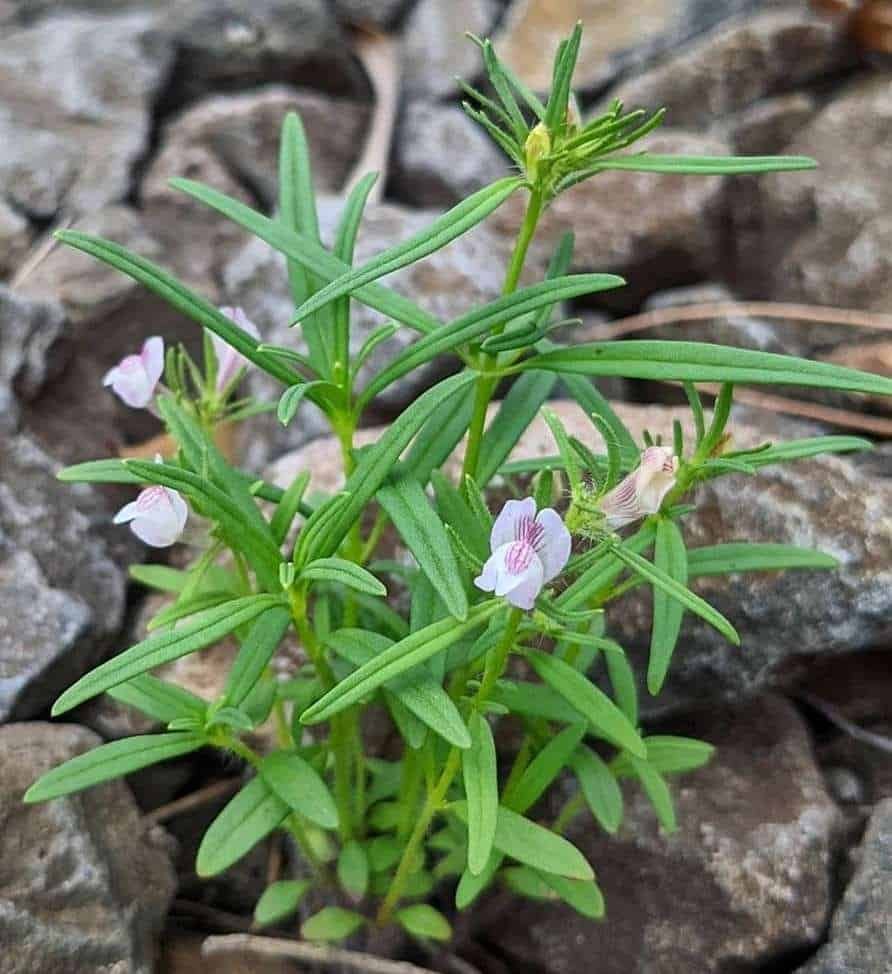
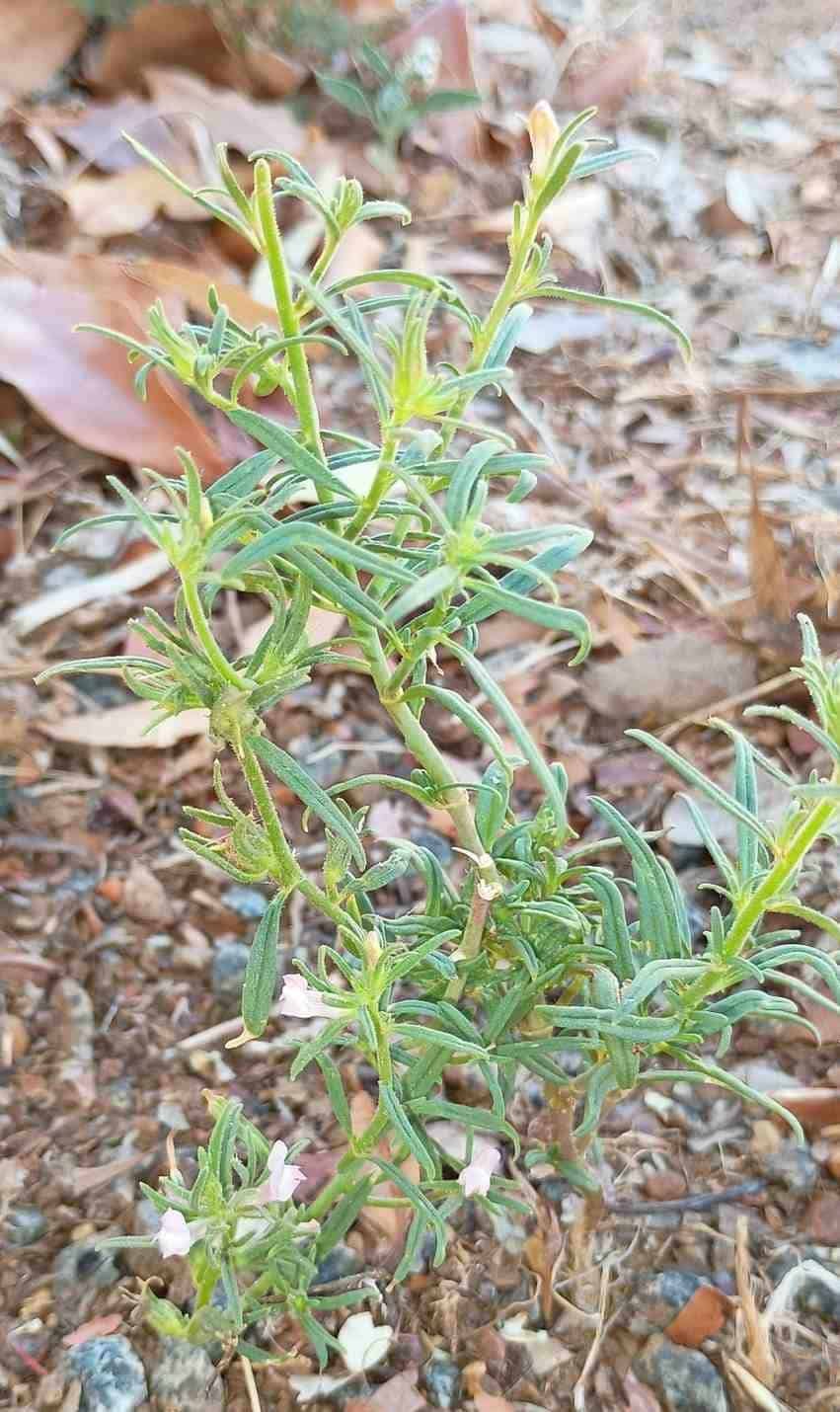
Lesser Snapdragon (Misopates orontium) – Weeds of Melbourne
Lesser Snapdragon (Misopates orontium), a relative of the popular garden snapdragon (Antirrhinum majus), is primarily known as a weed but shares similar traditional uses, including medicinal applications for inflammation and skin issues in poultices, and its flowers offer a fun opening/closing “snap” action for children, while the Antirrhinum genus also yields edible flowers and oils from seeds, and its genes are used in bioengineering.
Keeled Goosefoot (Dysphania carinata)
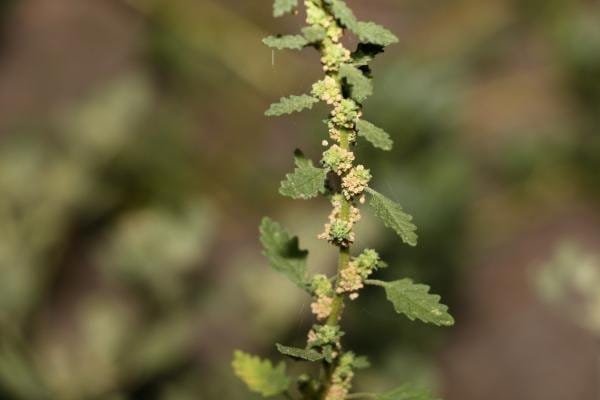
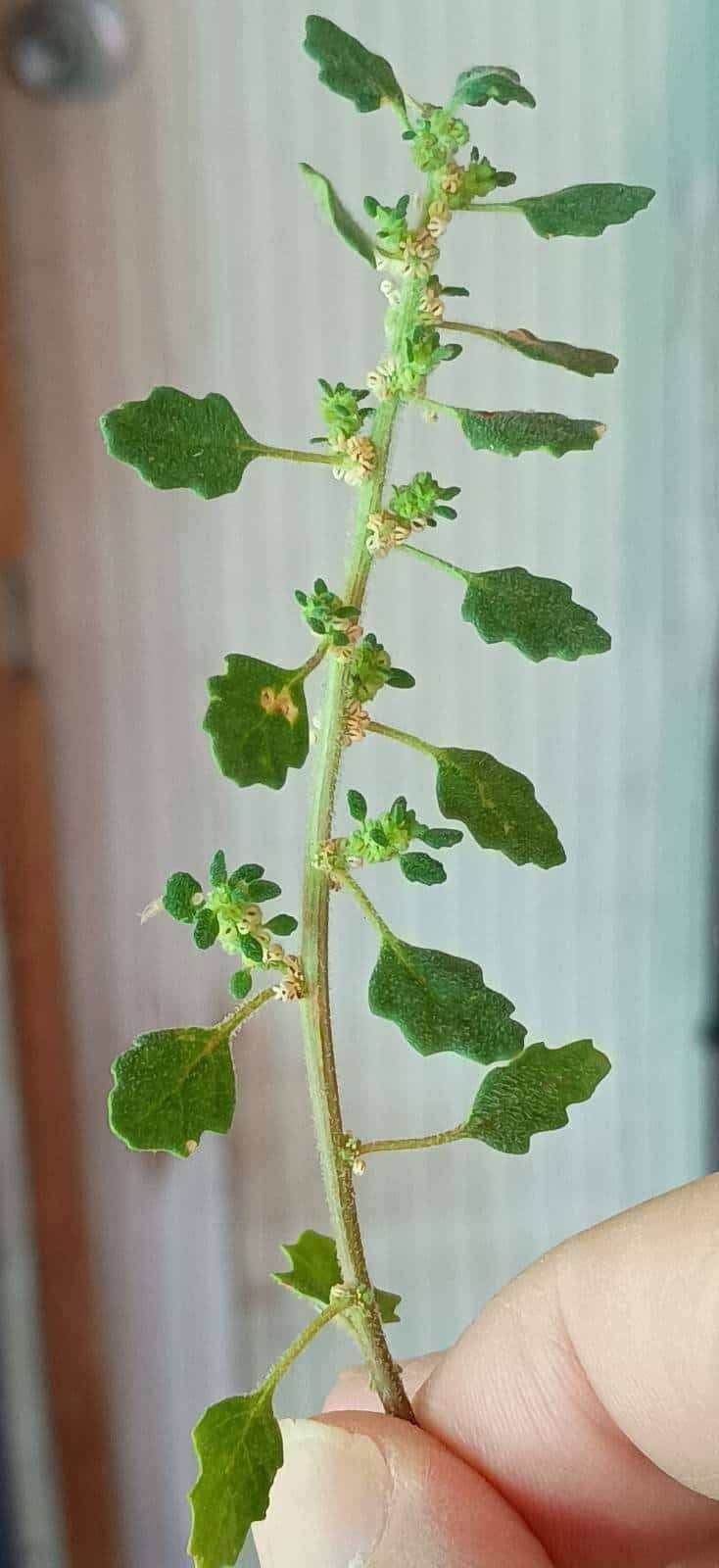
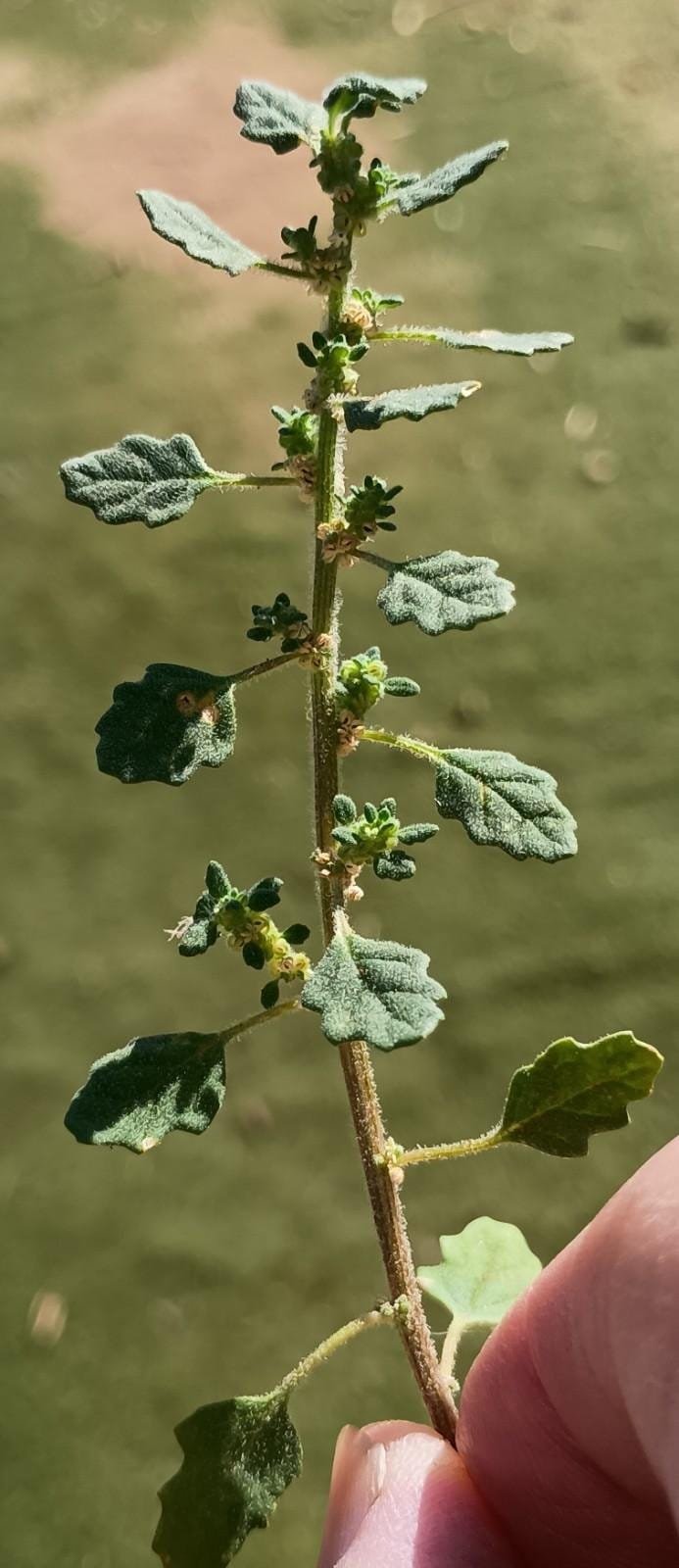
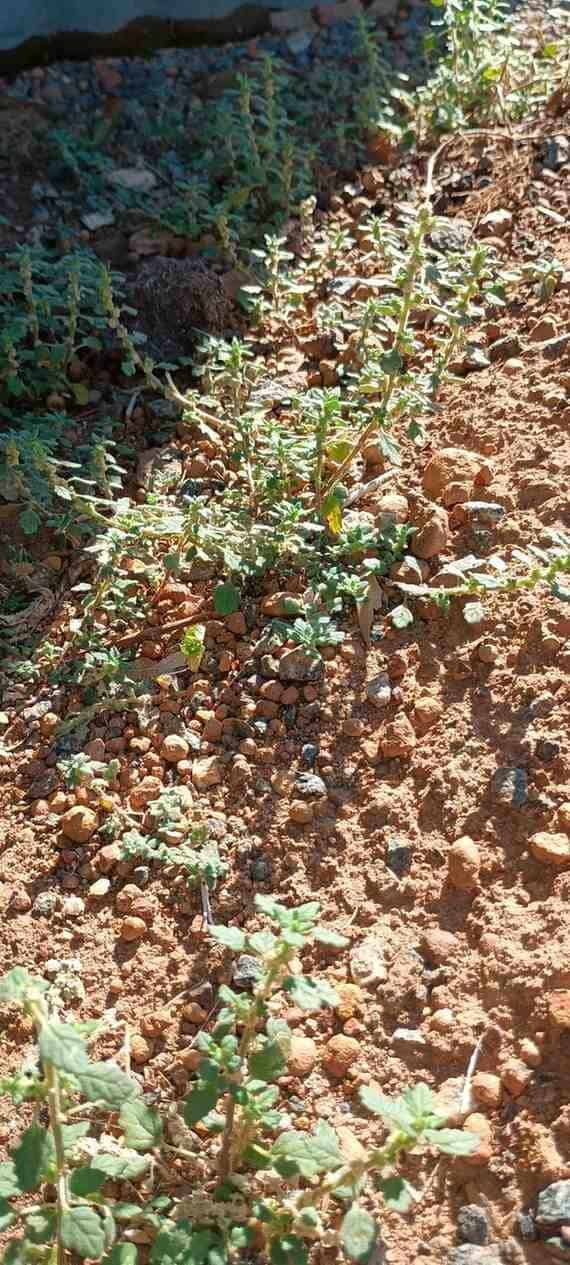
 *Dysphania carinata (R. Brown) Mosyakin & Clemants. Common name: Keeled Goosefoot. Phenology: Sep-Nov. Habitat: Disturbed area.
Distribution: Native of Australia.
Origin/Endemic status: Australia
Synonymy ⓘ: = Ar, FNA4, K3, K4; = Chenopodium carinatum R.Br. – F, K1.
Links to other floras: = Dysphania carinata – FNA4
Keeled goosefoot (Dysphania carinata), also known as green crumbweed or Boggabri, is a native Australian plant that is considered a common weed of disturbed areas, pastures, and agricultural crops across most states. It can be toxic to livestock under certain conditions.
Description and Characteristics
- Appearance: Keeled goosefoot is an aromatic annual or short-lived perennial herb that grows prostrate or erect, up to 0.55m tall. It has a “mealy” appearance due to being covered with glandular and simple hairs.
- Leaves: The leaves alternate along the stems, are typically ovate to elliptic in shape, with margins that are often wavy or have a few coarse teeth or lobes.
- Flowers: The small, green flowers grow in dense axillary clusters. The perianth segments (petals) are distinctly keeled (ridged) and often have a hairy, hooded wing.
- Scent: The plant has a distinctive minty or unpleasant odour when crushed, which helps distinguish it from other non-aromatic goosefoot species like Fat Hen (Chenopodium album).
Distribution and Habitat
Keeled goosefoot is widespread in Australia, found in New South Wales, Queensland, Victoria, Western Australia, South Australia, and the Northern Territory. It thrives in:
- Disturbed sites and along streams.
- Open areas in rainforests, eucalypt forests, and woodlands.
- Pastures, gardens, stubbles, and fallow land.
Significance and Control
- Toxicity: The plant is cyanogenetic, meaning it may contain toxic amounts of hydrogen cyanide (HCN), particularly in young plants. Ingestion by hungry livestock, especially sheep, has been associated with mortalities, although cattle are rarely affected.
- Allelopathy: It likely produces chemicals that encourage the germination and growth of other weeds.
- Management:
- Prevention: Remove stock from infested areas or provide alternative feed to prevent poisoning.
- Chemical control: Non-selective herbicides work best, and early spraying is recommended to reduce the effect of the allelopathic chemicals.
- Manual control: Hand-pulling plants before they go to seed can be effective in small areas.
Tar vine (Boerhavia coccinea)
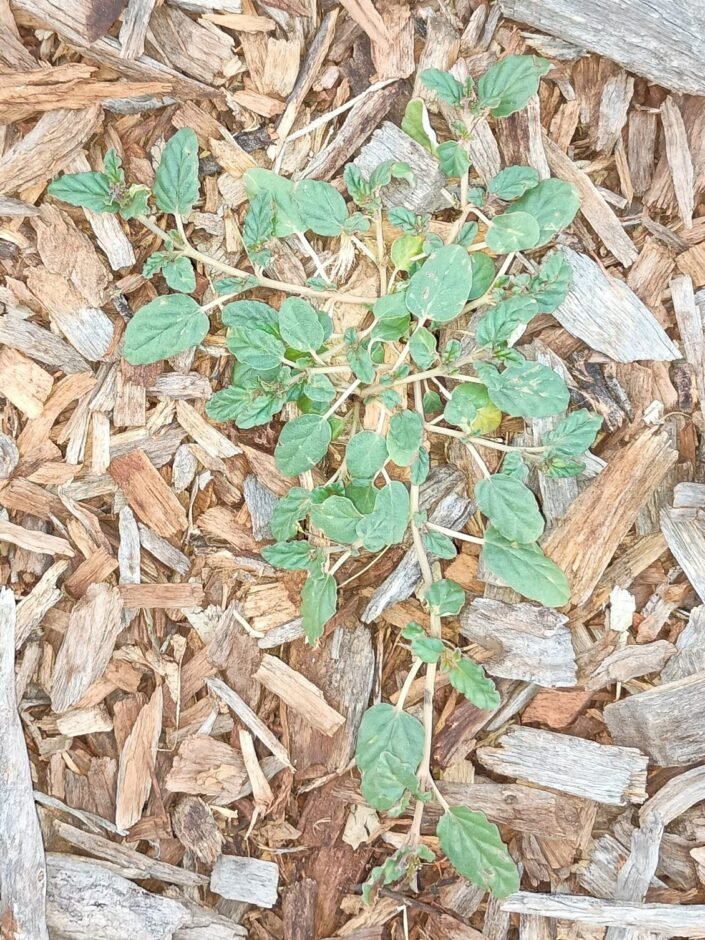
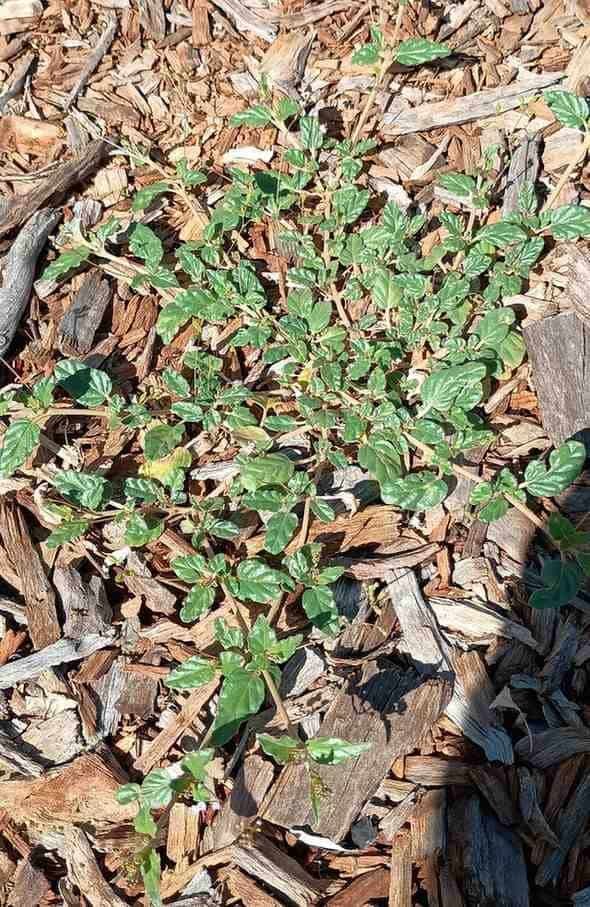
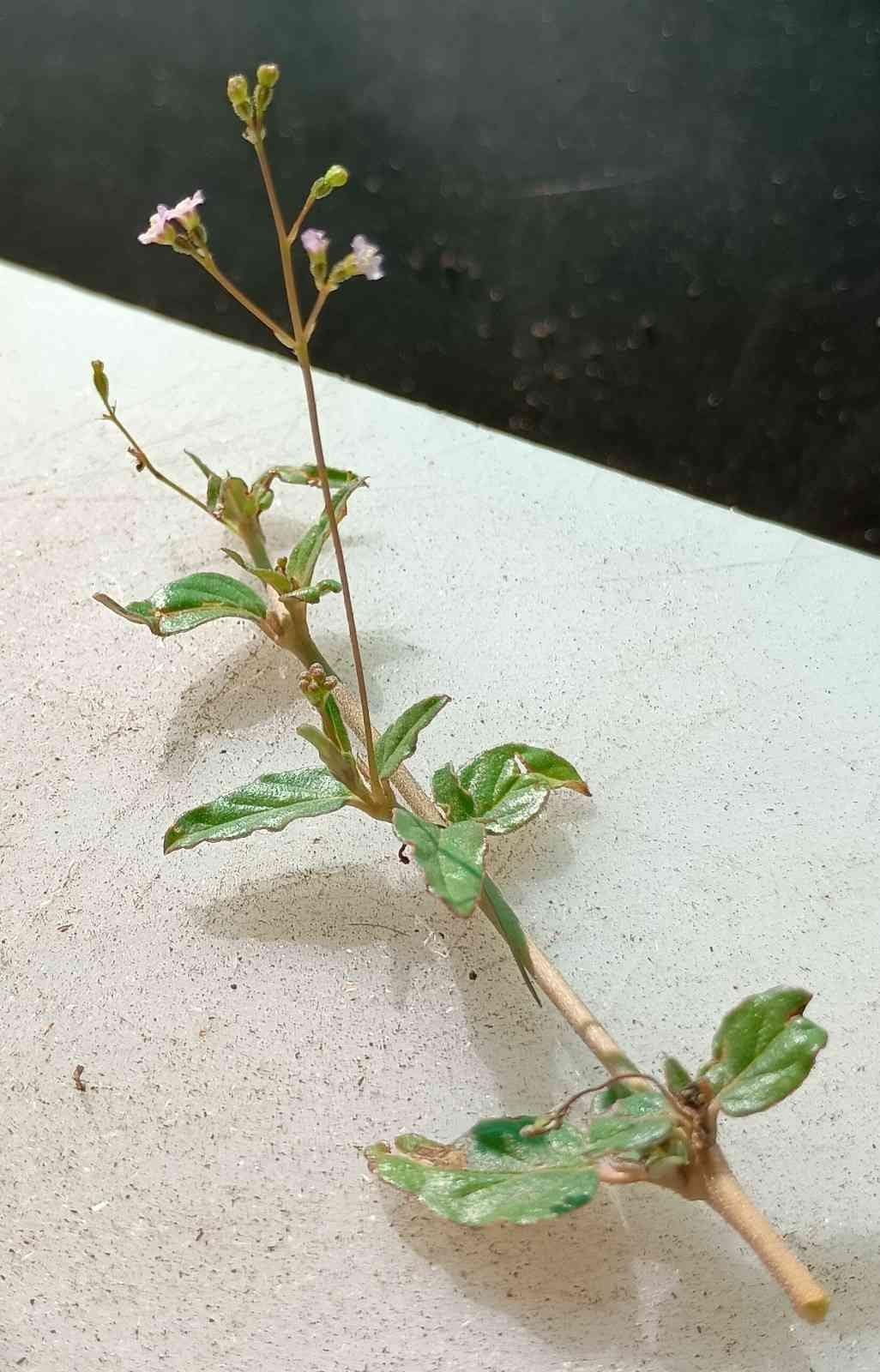
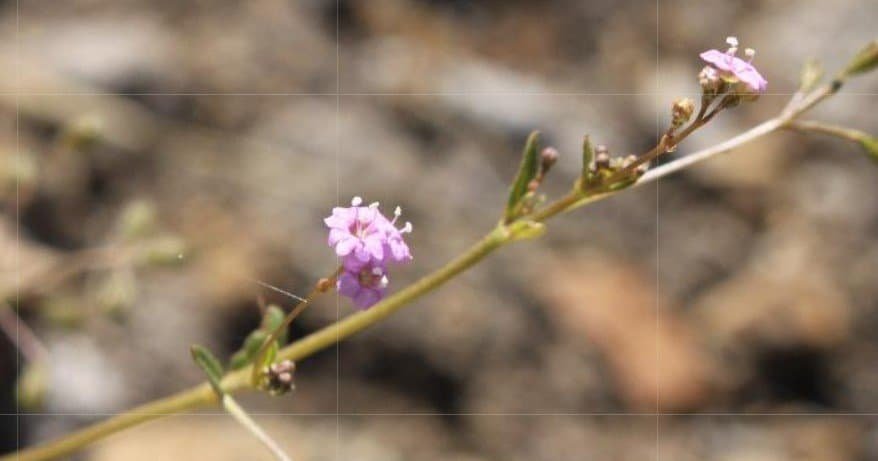
While Coulter’s spiderling (Boerhavia coulteri) is a known weed in the southwestern United States and northern Mexico, it is generally the closely related species Tar vine (Boerhavia coccinea or Boerhavia diffusa, also known as red spiderling) that is the common and problematic summer weed species in Western Australia (WA).
Status in Western Australia
Boerhavia coulteri: While present in Australia, it is not listed as prominently as the similar B. coccinea or B. diffusa.
Boerhavia coccinea (Tar vine): This species is an established, common summer weed across the northern and eastern WA cropping zones and is documented as a key concern by the DPIRD WA.
Identification of Tar Vine / Red Spiderling (the common WA species)
Tar vine is known by several common names, including red spiderling, common spiderling, and hogweed.
Habit: It is an annual or perennial that grows as a low-lying, sprawling plant, with stems that can grow over a meter in length and often reach 2 meters across.
Stems/Leaves: The stems are typically branched, hairy, and covered in glands, making the entire plant sticky, often accumulating sand and dust. Leaves are oval-shaped and grow in opposite pairs.
Flowers/Fruit: It produces tiny, frilly flowers that can be white, pink, red, purple, or yellow. The fruits are small, very sticky burrs that aid in dispersal by latching onto animals or clothing.
Impact and Management
Impact: Tar vine significantly depletes soil moisture and nutrients, reducing the yield potential of subsequent crops in farming areas. It also acts as a “green bridge” for crop pests and diseases and its sticky seeds can contaminate wool.
Control:Manual Removal: Small plants or infestations can be removed by hand or hoe before they set seed.
Chemical Control: Control is often difficult as the stressed, dusty plants are less responsive to herbicides. Spot spraying with specific herbicides like Glyphosate or Ally may be effective, but consultation with WeedSmart Australia or other local agricultural guides is recommended for precise application methods.
Prevention: Controlling the weed before seeds form is crucial to prevent further spread.
Tar vine factsheet WA Dept Ag & Food
Common Pepper Cress (Lepidium Africanum)
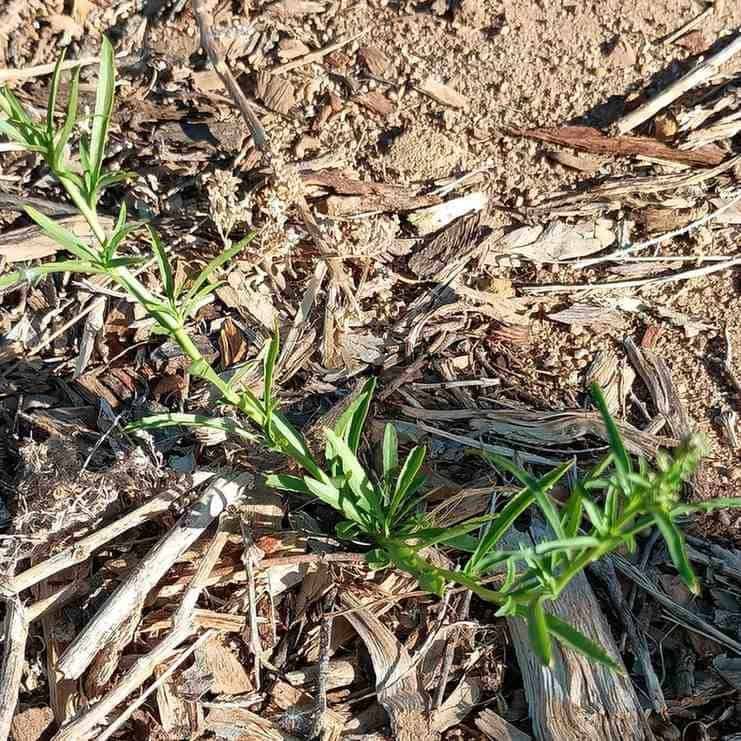
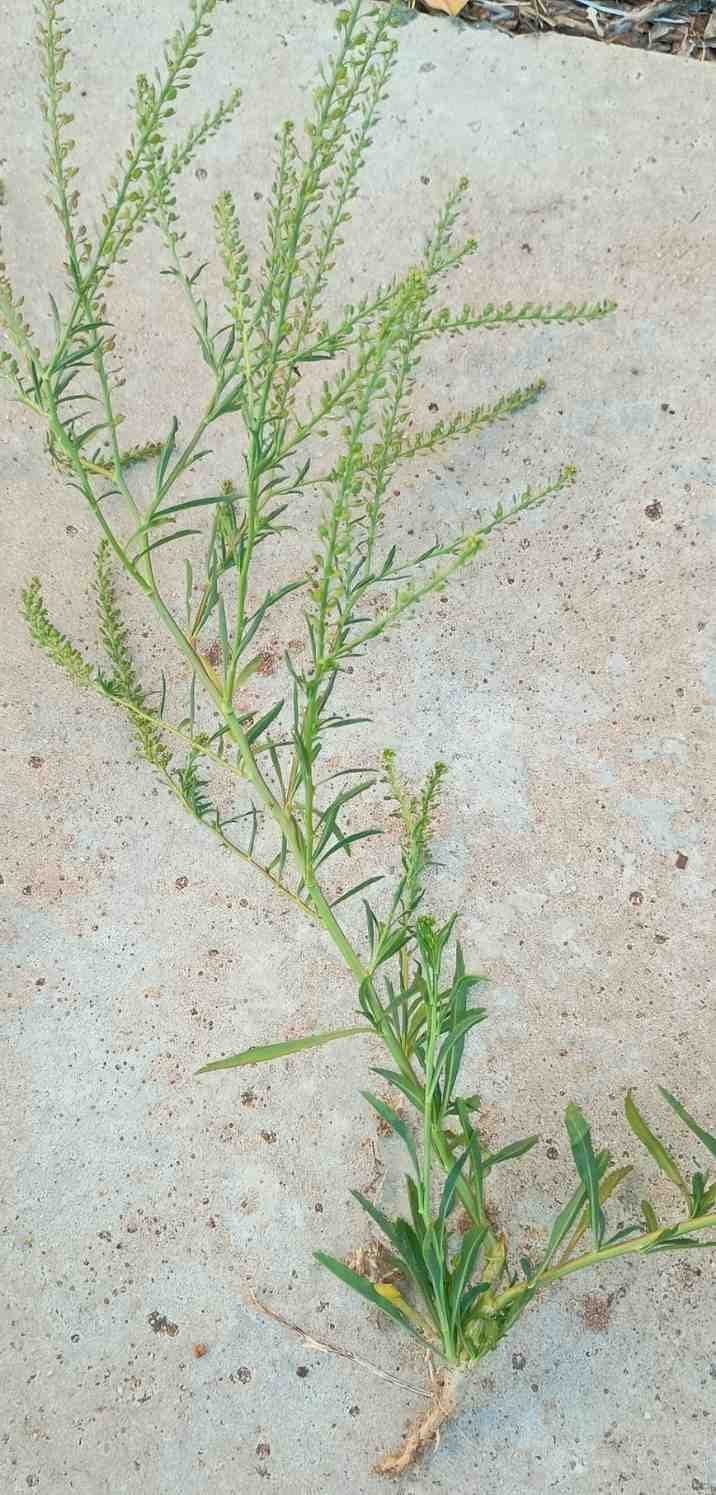
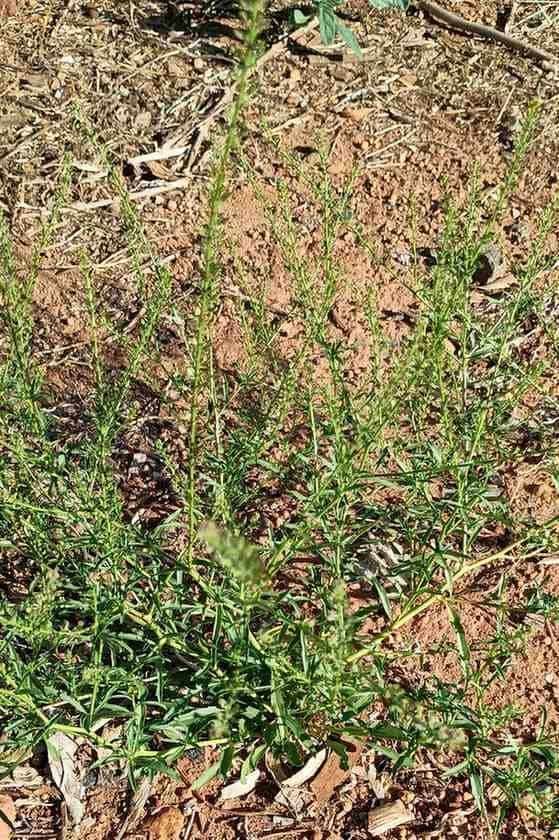
In Western Australia, Lepidium species, known as Peppercress, include weeds like Common Peppercress (L. africanum), a widespread annual/perennial in disturbed areas from Geraldton to Esperance, and Hoary Cress (L. draba), a major cropping weed (though less common in WA) with deep roots that readily sprout fragments, impacting crop yields. WA also has many native Lepidium species, but these two introduced ones are significant weeds, easily identified by their small white flowers and distinctive heart-shaped or winged seed pods (siliculae).
Key Lepidium Weeds in WA
- Lepidium africanum (Common Peppercress): An annual or perennial herb, often found on roadsides and wastelands, originating from Africa.
- Lepidium draba (Hoary Cress/White Weed): A perennial with extensive root systems, a major problem in cropping, though currently less widespread in WA than in other states, it poses a significant threat.
(Source: Google AI overview)
Factsheet – Lepidium africanum
Hoary Cress, White Weed, Hoary Pepperwort – Weeds Australia
Spurge (Euphorbia prostrata)
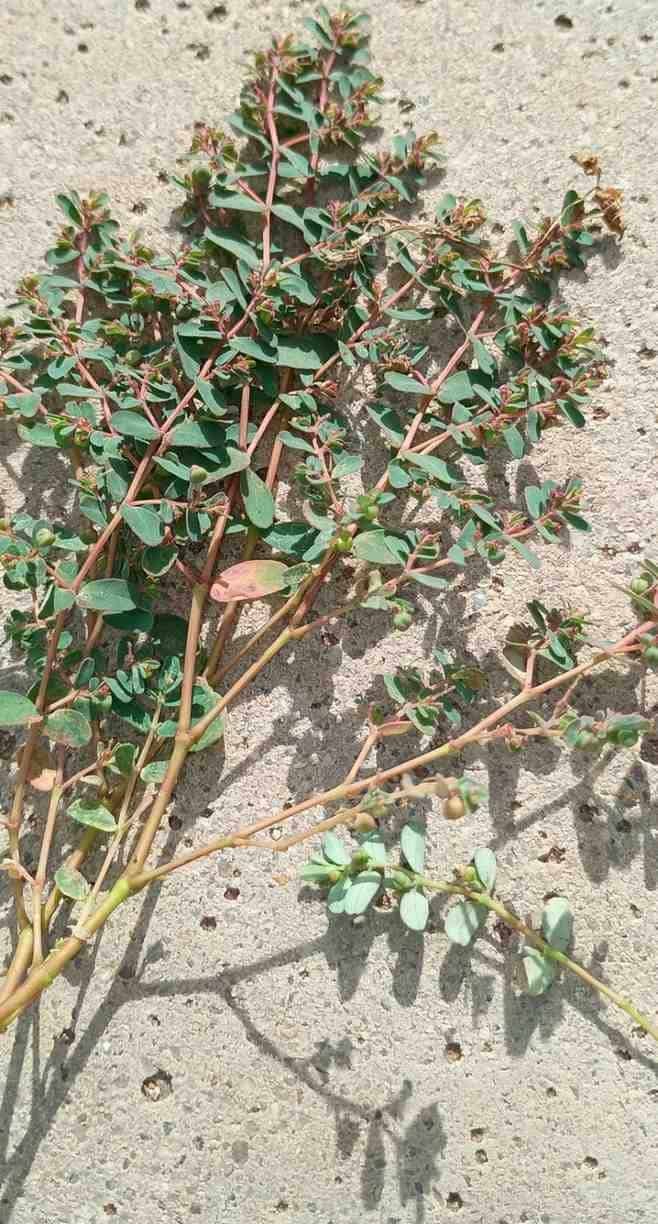
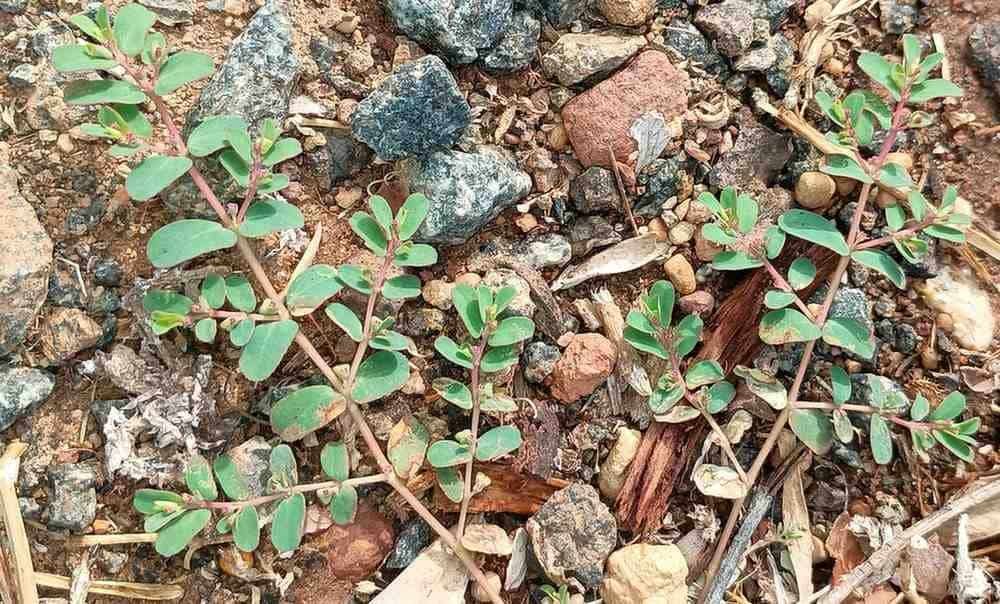
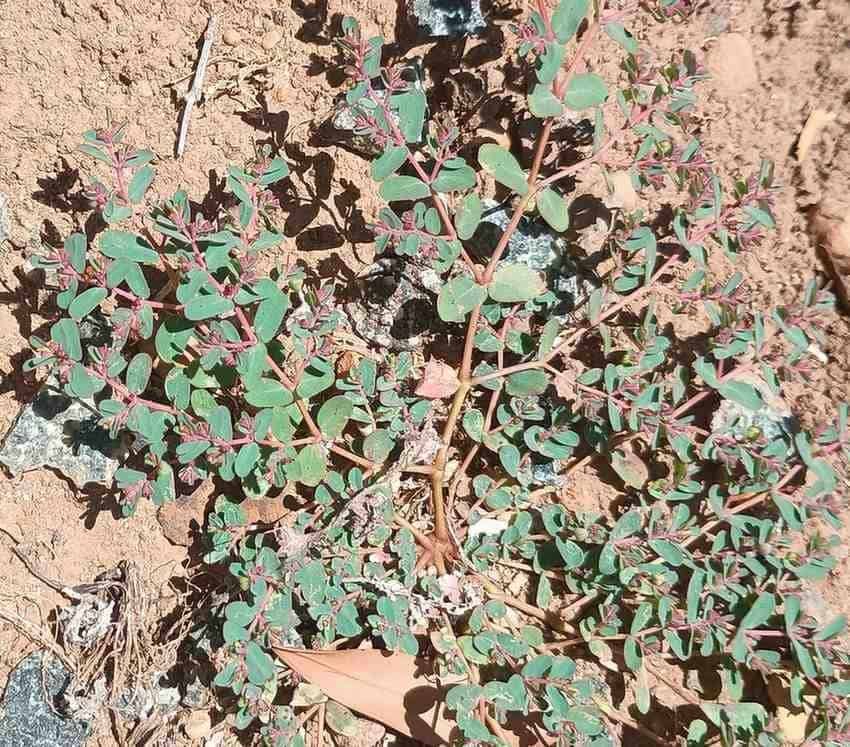
Euphorbia prostrata is a species of spurge known by the common name prostrate spurge or prostrate sandmat.
It is native to the Caribbean and certain parts of South America. It is widely naturalized in many other parts of the world, where it can be found in varied habitat types and in many areas grows as a roadside weed.
Euphorbia prostrata – Wikipedia
https://florabase.dbca.wa.gov.au/browse/profile/34757
Bacopa caroliniana
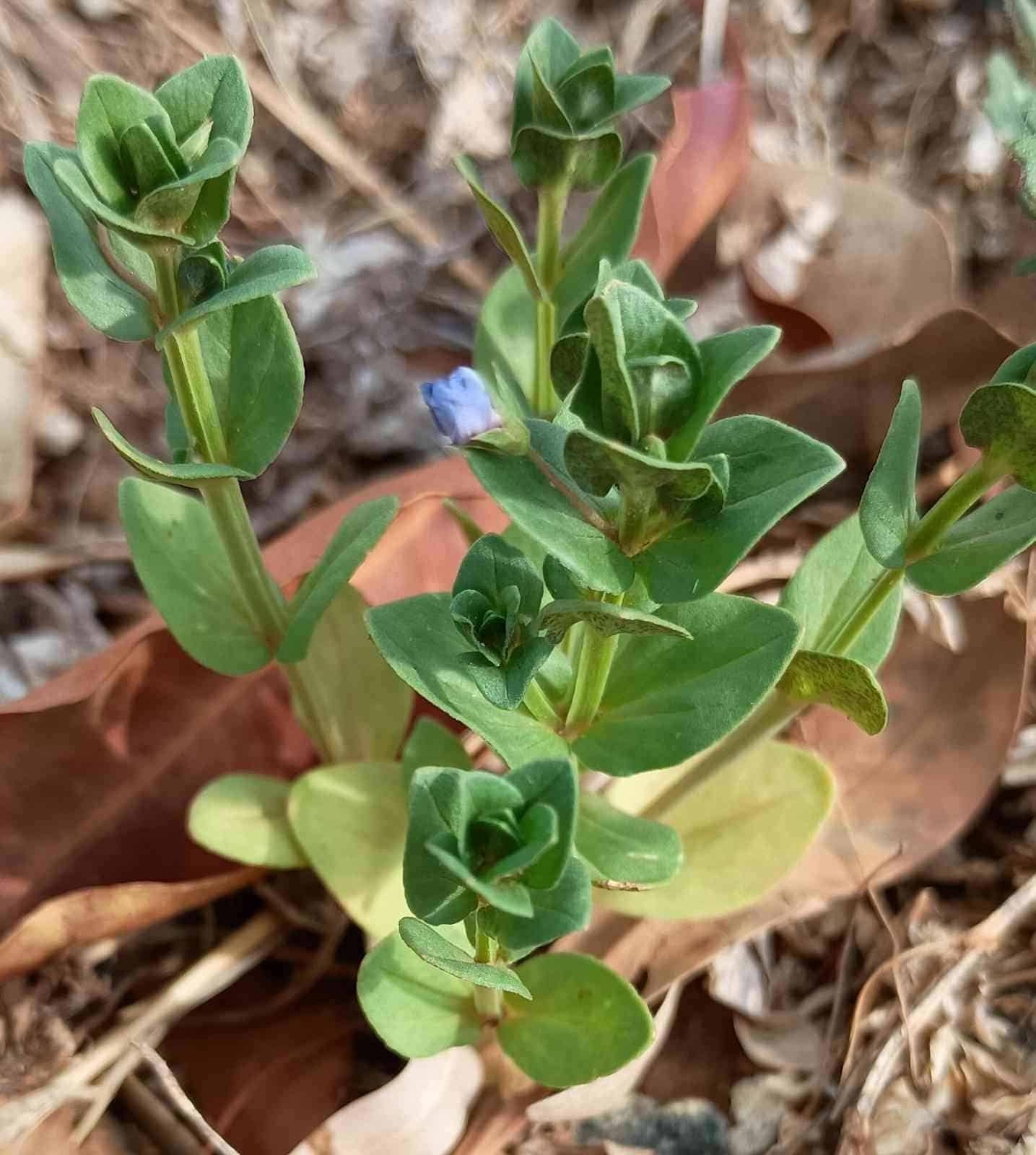
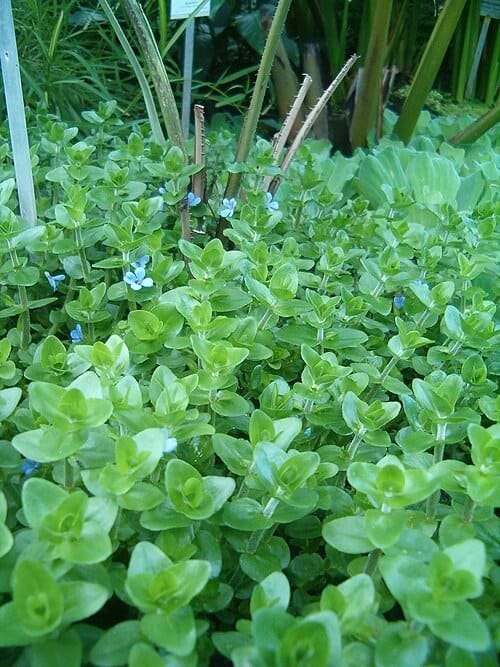
Bacopa caroliniana – Wikipedia
Bacopa caroliniana is a perennial creeping herb. The leaves of this plant are succulent, smell of lemon if crushed, and are relatively thick. Leaves are oblanceolate and are arranged oppositely on the stem. The flowers are blue, with five petals. It grows to 50–100 cm (20–39 in). (Wikipedia)
Bacopa caroliniana is an aquatic plant native to the southeastern USA that is sometimes found established in dams and waterways in Australia after escaping cultivation. However, it is generally considered less of a weed risk in Western Australia compared to its relative, Bacopa monnieri.
Weed Status in Western Australia
This species is primarily noted as a popular aquarium plant that can escape into the wild in some parts of Australia. Its status as a “declared” or “noxious” weed specifically in Western Australia is not universally listed in the provided search results, unlike other highly invasive aquatic species such as Hydrocotyle ranunculoides (hydrocotyle) or Salvinia molesta (salvinia). It can, however, become invasive in specific ponds or aquatic environments. (Google AI Overview)
Stinkwort (Dittrichia graveolens)
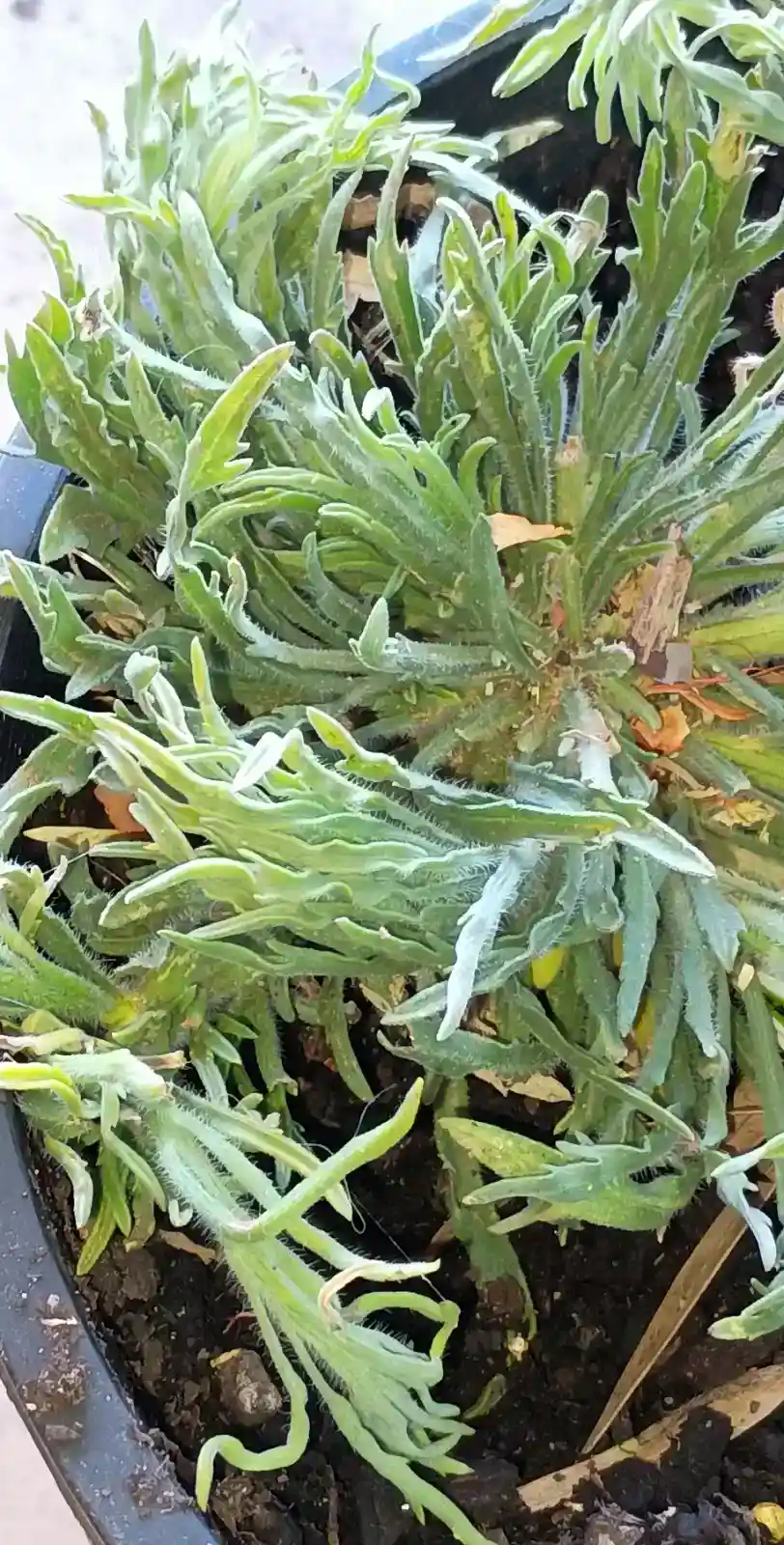
Taxon Profile of Dittrichia graveolens (L.) Greuter | Florabase
Stinkwort, Stinkweed, Stink-weed, Camphor Inula, Khaki Weed, Cape Khaki Weed – Weeds Australia
Stinkwort – Urban Bushland Council WA
Alternative Names. Camphor Inula, Cape Khakiweed, Stinking Fleabane, Stinkweed.
Stinkwort (Dittrichia graveolens) has a strong, pungent, camphor-like or oily-kerosene smell, which becomes very noticeable and unpleasant when the plant is crushed or handled due to sticky, resinous hairs on its foliage. This intense aroma, along with its sticky texture, often deters livestock but can also cause skin irritation or dermatitis in people, and taints milk if animals consume it, leading to its reputation as a noxious weed.
Key Characteristics of the Smell:
Camphoraceous: Similar to Vick’s Vapor Rub or camphor.
Oily/Resinous: Sticky to the touch, holding dust and particles.
Unpleasant/Pungent: Described as strong and aggressive.
Why it Smells:
The strong scent comes from volatile oils secreted by glandular hairs covering the plant’s leaves and stems, which are also responsible for its sticky feel.
Common Names:
Its smell gives rise to names like “Stinkweed,” “Camphor Inula,” and “Stinking Fleabane”.
(Google AI Overview)
Paddy Melon (Citrullus lanatus)
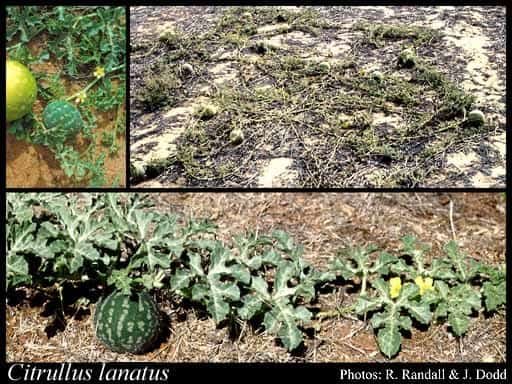
The smooth‑skinned “non‑prickly paddy melon” on roadsides in WA is almost always the wild form of watermelon, Citrullus lanatus, commonly called camel melon or Afghan melon (also pig melon, pie melon, wild melon, wild watermelon in various sources).
Paddy melon is a common name for two species of plants in the melon family which are invasive in Australia.
- Citrullus lanatus, a sprawling plant with fruits much larger than a golf ball, a weedy form of the cultivated watermelon
- Cucumis myriocarpus, a sprawling plant with prickly fruits smaller than a golf ball. Cucumis myriocarpus, is a summer weed belonging to the cucurbit family, is an annual plant that commonly invades fallow fields and pastures. Its presence leads to a decrease in moisture levels available for winter cereal crops, resulting in diminished crop yields and lower pasture quality.
Citrullus lanatus (Weeds of Western Australia)
Lantana
Lantana sp. (Lantana) | Top Tropicals Plant Encyclopedia